Emergency Dentist in Wilmington: What We Treat and How We Help
Quick Answer: Dental emergencies involve pain, infection, bleeding, or damage that is unlikely to improve without prompt treatment. If you are searching for an emergency dentist in Wilmington, the problem likely needs timely care.
When to See an Emergency Dentist
Not every dental problem feels urgent at first, but some issues reach a point where waiting leads to more damage and more involved treatment. What starts as mild discomfort can become significant pain as the problem progresses.
A common mistake is waiting a few days to see whether symptoms improve. During that time, infections can worsen, cracks can deepen, and manageable issues can become more complex to treat.
Signs You Should Not Wait
- Severe or persistent tooth pain that does not improve
- Swelling in the gums, jaw, or face
- Bleeding that does not stop
- Pressure, drainage, bad taste, or other signs of infection
When these symptoms are present, prompt evaluation is usually the best next step.
Common Dental Emergencies
- Broken or cracked teeth
- Knocked-out teeth
- Lost fillings or crowns
- Dental abscesses
These problems often worsen with time, especially when the tooth or surrounding tissue remains exposed or irritated.
Dental Emergencies We Treat in Wilmington
Emergency care focuses on two priorities: relieving the immediate problem and preventing additional damage. That means identifying the cause, not just managing the symptoms.
Severe Tooth Pain and Infections
Tooth pain is often linked to decay, inflammation, or infection affecting the inner portion of the tooth. This can cause throbbing pain, pressure, and sensitivity. As the problem progresses, surrounding tissue may also become involved.
At that stage, treatment may be more involved. A problem that might have been addressed earlier with a simpler procedure may require root canal treatment or, in some cases, removal of the tooth.
Cracked, Broken, or Chipped Teeth
Even small cracks can worsen with daily use. Biting and chewing place repeated pressure on the tooth, which can cause the fracture to spread.
A minor chip that seems manageable can develop into a larger structural problem if left untreated. If you are dealing with this, reviewing treatment options for a cracked tooth can help clarify how these situations are commonly treated.
Knocked-Out or Loose Teeth
A knocked-out tooth needs immediate attention. The longer it remains out of place, the more difficult it may be to save.
Loose teeth often indicate trauma or loss of support around the tooth. This usually needs prompt evaluation.
Lost Fillings, Crowns, or Restorations
When a filling or crown comes off, the underlying tooth is left more exposed. This can increase sensitivity and make the tooth more vulnerable to further damage.
It is easy to delay care when the discomfort feels tolerable, but that delay can lead to additional breakdown. You can learn more about maintaining restorations in dental filling aftercare.
Swelling, Abscesses, and Gum Issues
Swelling is often associated with infection or significant inflammation. It may worsen over time rather than resolve on its own.
This is one of the clearest signs that prompt care is needed.
What to Do Before You Arrive
The first steps you take can help limit discomfort and reduce further irritation before your visit.
Immediate Steps for Pain Relief
- Rinse gently with warm saltwater
- Use a cold compress to help manage swelling
- Avoid chewing on the affected side
How to Handle a Knocked-Out Tooth
- Keep the tooth moist at all times
- Avoid touching the root surface
- Seek care as quickly as possible
When to Go to the ER Instead
- Facial trauma or a significant injury
- Uncontrolled bleeding
- Severe swelling that affects breathing or swallowing
For most dental-specific problems, a dental office is the more appropriate setting. Many people go to the ER expecting definitive dental treatment, but hospitals often focus on temporary relief rather than treating the underlying dental issue. This is explained further in why you should avoid the ER for emergency dental care.
What to Expect During Your Emergency Visit
Uncertainty can make dental emergencies more stressful. Understanding the process helps you know what comes next.
Exam and Diagnosis
The visit begins with identifying the source of the problem. This may include imaging and a focused exam to determine what is causing the pain, swelling, or damage.
Same-Day Treatments
The immediate goal is to stabilize the situation. This often involves relieving discomfort and protecting the tooth or surrounding area from further damage.
Once the source is addressed, many patients notice meaningful relief.
Next Steps and Follow-Up Care
After the emergency is under control, the next step is to outline treatment to restore and protect the tooth long term. This helps reduce the chance of additional problems.
Emergency Dental Care for Families in Wilmington
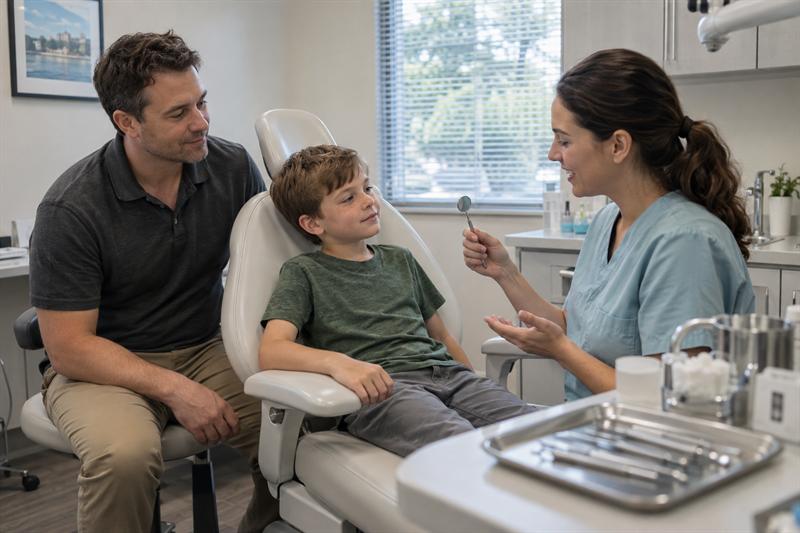
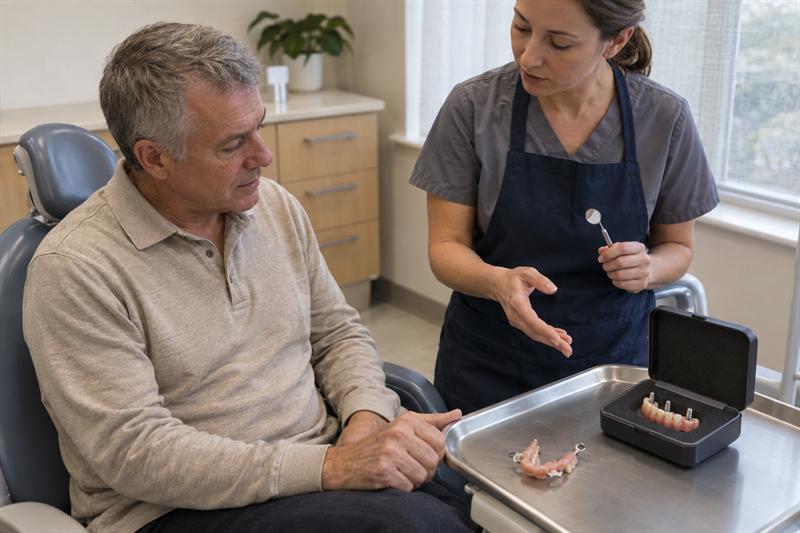
Dental emergencies affect patients of all ages, but they can look different depending on the situation. Children are more likely to experience injuries from falls or sports, while adults often deal with fractures, lost restorations, or infections.
At Facciolo Dentistry, emergency care is approached with clear communication so patients and families understand what is happening and what needs to be done next.
How to Prevent Future Dental Emergencies
- Keep up with regular dental visits
- Address small problems early
- Avoid chewing hard objects that can crack teeth
- Use protective appliances when appropriate
Many emergencies begin as smaller issues that were left untreated. Regular care can help identify those problems earlier. To understand what routine care involves, visit what to expect during regular dental visits.
If You’re Dealing With Any of These, Don’t Wait
If you are experiencing any of the following, the issue should be evaluated promptly:
- Sharp or throbbing tooth pain that is not improving
- Visible damage such as a crack or missing restoration
- Swelling in the gums, jaw, or face
- A tooth that feels loose or unstable
These problems usually do not improve on their own and often become more difficult to treat when care is delayed.
Contact an Emergency Dentist in Wilmington
Once a dental issue involves pain, swelling, or visible damage, it can become more complex over time. Acting early helps keep the problem more manageable and may limit how far it progresses.
Facciolo Dentistry provides emergency dental care focused on identifying the issue, stabilizing it, and guiding the next steps clearly.
Key Takeaways
- Dental emergencies often worsen without timely care
- Pain, swelling, bleeding, and damage are clear signs to act
- Early treatment can keep care simpler and more predictable
- Many emergencies can be stabilized during the initial visit
Conclusion
Dental emergencies rarely stay the same. Pain can intensify, infections can worsen, and structural damage can spread when treatment is delayed. What begins as a manageable issue often becomes more complex over time.
Addressing the problem early can make treatment more controlled and help avoid unnecessary complications.
At Facciolo Dentistry, emergency visits focus on identifying the cause, stabilizing the issue, and clearly outlining what comes next. If you are dealing with pain, swelling, or damage, having it evaluated promptly is the best next step.
Our Approach at Facciolo Dentistry
Emergency care is handled with a focus on clarity and control. The goal is not only to relieve discomfort, but also to understand what caused it and help prevent the problem from getting worse.
When problems are addressed early, treatment is often more straightforward. When they are delayed, care may become more involved.
Each visit is structured to identify the issue, stabilize it, and provide a clear path forward so patients know what to expect.
Frequently Asked Questions
What qualifies as a dental emergency?
A dental emergency can include severe pain, swelling, infection, bleeding, or trauma to the teeth or gums. Problems like abscesses or knocked-out teeth generally need prompt evaluation. Contacting a Wilmington emergency dentist can help you determine the next step.
Can I see an emergency dentist the same day in Wilmington?
Many emergency dental cases can be seen the same day, especially when pain, swelling, or trauma is involved. Urgent situations are typically prioritized, and calling early may improve availability.
What should I do if I knock out a tooth?
Keep the tooth moist, avoid touching the root, and seek care immediately. The longer it is out of place, the lower the chance of saving it.
How do I know if tooth pain is serious?
Tooth pain is more concerning when it is persistent, intense, or accompanied by swelling, pressure, or sensitivity that is getting worse. These signs can point to infection or internal damage that needs treatment.
Will an emergency dentist extract my tooth right away?
Extraction may be considered when a tooth cannot be preserved. Most cases are evaluated first to determine whether other treatment options are available.
Is swelling in the jaw a dental emergency?
Jaw swelling can be related to infection or significant inflammation and should be evaluated promptly, especially if it is getting worse or affecting normal function.