5 Tips for Dental Filling Aftercare
 Dental filling
 procedures are very common among patients of all ages. They are done in order to tackle minor to moderate cavities, and the procedure is relatively straightforward. However, with all dental procedures comes the need for aftercare. In the case of
dental fillings, the aftercare is pretty simple and not too involved. Ready to find out more about how to care for your teeth after a
dental filling?
5 Ways to care for a tooth after a dental filling
Outlined below are a few tips on aftercare once a dental filling procedure has been done. This information can be helpful to review when preparing for an upcoming dental filling procedure.
1. Be gentle
In general, it is advisable to be gentle after a dental filling procedure. The tooth will be sore and sensitive, and the surrounding teeth may also feel the effects of the procedure. Patients should avoid touching the tooth or area for a day or so to ensure that it heals properly.
2. Avoid eating hard and sticky items
It can be difficult to eat immediately after a dental filling procedure. The tooth may be sensitive or sore, which is completely normal. General dentists recommend avoiding eating hard or sticky items after the procedure to avoid any further discomfort. Foods such as candies, caramels, jerky, tough meats, or hard nuts may damage the newly filled tooth. It is better to eat soft foods, such as eggs, yogurt, pudding, or smoothies for a day or so after the procedure.
3. Rinse a couple of times
Patients are advised to rinse their mouths after a dental filling procedure. There may be debris left behind or food from eating, which can be uncomfortable. Rinsing with salt-water or a gentle mouthwash with no alcohol a few times after a dental filling can be helpful in cleansing the mouth. Additionally, it can reduce bad breath that may have come from the dental filling procedure, which is a common side effect.
4. Take an anti-inflammatory medication
Some patients experience slight discomfort after a dental filling procedure, which is completely normal. Discomfort or soreness usually does not last longer than a day or two, however, in the meantime, patients can remedy with over-the-counter anti-inflammatory medication. This will reduce swelling, while also helping to relieve the mouth of discomfort.
5. Brush and floss
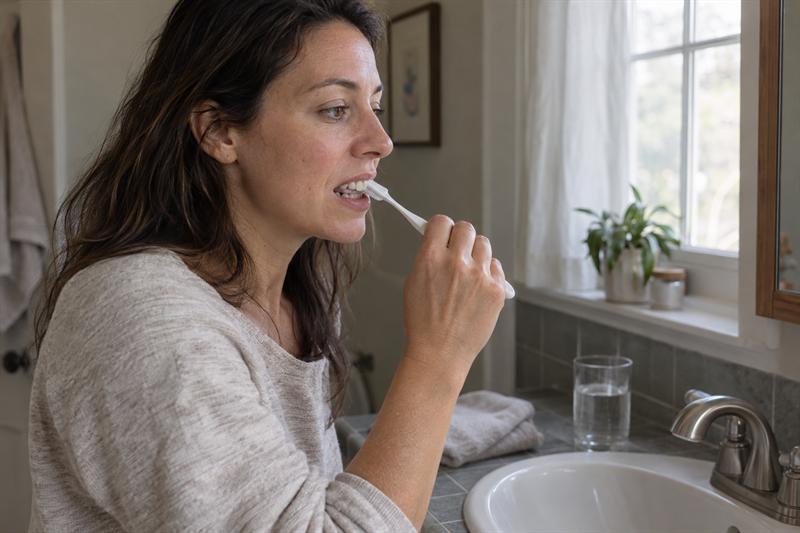
Many people are hesitant to brush and floss after a dental filling procedure, however, it is necessary to do so before the night ends. Although the tooth may be sore, it is still necessary to gently brush and floss. General dentists recommend a very soft-bristled toothbrush to avoid discomfort.
Do you currently need a dental filling?
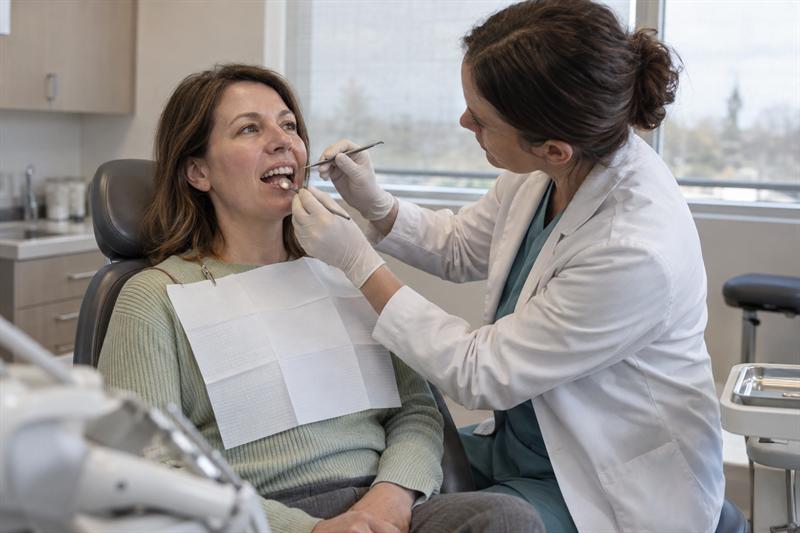
When looking to learn more about aftercare for a dental filling procedure, it is best to consult directly with a general dentist. The general dentist can specify certain tips that can be helpful. Reach out today to get your questions and concerns addressed, or to get started with a consultation appointment.
Request an appointment here: https://dentalhealthde.com or call John M. Facciolo D.M.D., P.A. at (302) 652-2451 for an appointment in our Wilmington office.
Recent Posts
Thinking that dental fillings are a dental treatment that simply treats a tooth that has some level of decay? Dental fillings not only help save a tooth that is in jeopardy of being lost due to decay, but they also help improve a dental patient's oral health. Ready to learn more about the importance of…
Dental bonding is a conservative way to repair a chipped edge, small gap, worn spot, or minor shape issue. It works by attaching a tooth-colored composite resin to the tooth and shaping it to blend in naturally.Aftercare matters because bonded material does not wear exactly like natural enamel. That is especially true with front-tooth repairs,…
If you are considering porcelain veneers, the question is not just what they are. The bigger question is whether they fit the specific problem you want to address. At Facciolo Dentistry, this is a common conversation with patients who want a better-looking smile but are still sorting out whether veneers, bonding, whitening, or another option…
For many parents, the real question is not just whether a dental office sees children. It is whether the visit will feel manageable enough that the child stays calm, cooperative, and willing to come back. At Facciolo Dentistry, that difference matters because a stressful early experience can make future visits harder, while a calm, well-explained…