Dental Treatment Options for a Cracked Tooth
Since every tooth plays an important role, saving a
cracked tooth is essential to a healthy mouth. Even if a simple crack occurs, undergoing treatment promptly is necessary. Keep reading to learn more about
cracked tooth treatment from a dentist.
What a cracked tooth means
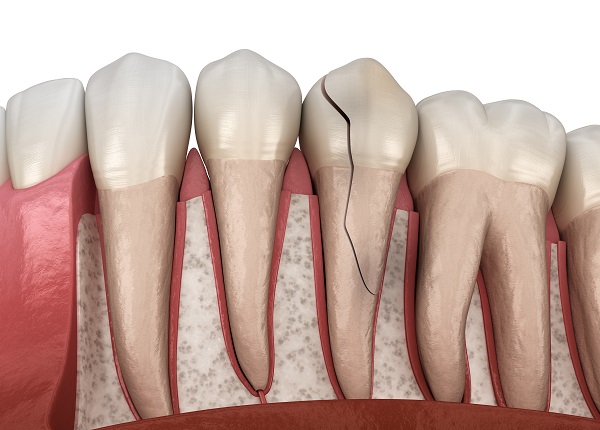
Learning that a
cracked tooth can potentially be a serious dental health issue is important. While a minor crack may not be a pressing issue, moderate or major cracks often require some form of dental treatment in order to repair the tooth. Common causes for experiencing a cracked tooth include grinding, clenching, chewing on ice, being in an auto or sports accident and improper oral care.
According to the American Dental Association, tiny cracks are common and usually do not cause problems, which is why regular dental checkups are important as they allow a dentist to diagnose and treat problems in the early stage.
Treating a cracked tooth
The list below includes some of the more common dental treatment options dentists use to treat a cracked tooth. When it comes to which option a dental patient will need, it depends on how severe the crack is.
Dental bonding
Dental bonding is a treatment option that is often used to treat cracked teeth. This treatment procedure uses a tooth-colored composite resin material to repair the crack. An experienced dentist will carefully attach the bonding to the area of the tooth that is in need of repair and then smooth and polish the bonding material so it will blend in with the rest of the teeth. Bonding not only repairs a cracked tooth, but it also allows the tooth to once again be cosmetically pleasing.
Dental veneers
Dental veneers are often used to treat cracked teeth that are located in the front of the mouth. Veneers are used for cosmetic reasons and because they are custom-made for every patient, dentists can create them for patients to repair and cover up any cracks in their front teeth. This treatment option is typically only reserved for treating minor cracks, as veneers are thin porcelain shells that are placed over a patient’s teeth with a goal of fixing minor tooth problems.
Dental crowns
Dental crowns are often used to treat moderate to major cracks in teeth in the back of the mouth. Since it is possible for dental patients who have a crack in one of their back teeth to worsen the crack by the simple act of chewing food, sometimes it is necessary to give the tooth more strength so it does not break all the way. A crown is placed directly over the tooth, allowing it once again to be both strong and durable.
Treat a cracked tooth
The way a dentist treats a cracked tooth lies heavily on the reason the crack occurred, as well as how severe it is. To determine both, a dentist will need to carefully evaluate the tooth. Reach out today to get started with treatment.
Are you considering cracked tooth treatment in the Wilmington area? Get more information at https://dentalhealthde.com.
Recent Posts
Dental bonding is a conservative way to repair a chipped edge, small gap, worn spot, or minor shape issue. It works by attaching a tooth-colored composite resin to the tooth and shaping it to blend in naturally.Aftercare matters because bonded material does not wear exactly like natural enamel. That is especially true with front-tooth repairs,…
If you are considering porcelain veneers, the question is not just what they are. The bigger question is whether they fit the specific problem you want to address. At Facciolo Dentistry, this is a common conversation with patients who want a better-looking smile but are still sorting out whether veneers, bonding, whitening, or another option…
For many parents, the real question is not just whether a dental office sees children. It is whether the visit will feel manageable enough that the child stays calm, cooperative, and willing to come back. At Facciolo Dentistry, that difference matters because a stressful early experience can make future visits harder, while a calm, well-explained…
Quick Answer: Partial dentures and implant-supported dentures both replace missing teeth, but they rely on different support systems. Partial dentures usually make the most sense when healthy teeth remain and a removable, lower-cost option fits the situation, while implant-supported dentures are often a better fit when stability, chewing confidence, and longer-term support matter more.If you…