Common Causes of Tooth Pain and When to See a Dentist
Tooth pain can be sharp, dull, throbbing, intermittent, or triggered by food and temperature. It can also be difficult to locate. The gums, a neighboring tooth, an older restoration, or pressure from clenching can contribute to pain that seems to come from one tooth.
At Facciolo Dentistry, evaluating tooth pain begins with identifying its likely source. Treating discomfort without understanding the cause can leave the underlying concern unaddressed.
What Can Cause Tooth Pain?
Common causes of tooth pain include cavities, cracked teeth, gum concerns, inflammation or infection inside a tooth, exposed root surfaces, grinding, erupting wisdom teeth, and sinus-related pressure. These conditions can feel similar, so symptoms offer useful clues but do not confirm the cause on their own.
Tooth Decay and Cavities
Tooth decay damages the outer structure of a tooth. As it reaches deeper areas, it can lead to sensitivity to sweets or cold foods and pain with chewing. A cavity does not always hurt early on, so decay can be present before it causes obvious symptoms.
Brief sensitivity is easy to ignore when it goes away quickly. When it becomes more frequent or lingers after a trigger is gone, the tooth should be examined rather than simply avoided.
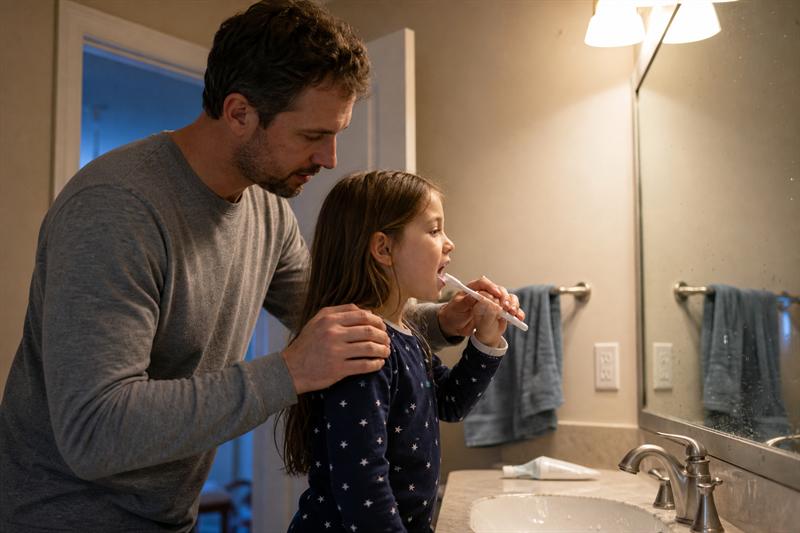
Daily habits still matter after treatment because decay can develop around restorations and between teeth. Learn how daily habits help prevent cavities and reduce common contributors to tooth pain.
A Cracked Tooth, Worn Tooth, or Damaged Filling or Crown
A cracked tooth can cause pain when biting, especially when pressure is released. The pain may come and go because the crack can shift under force and close when biting stops. Worn teeth, loose fillings, and damaged crowns can cause similar sensitivity by exposing or placing stress on the tooth underneath.
A common pattern is being able to chew on one side but feeling a sharp pain with certain foods or at a particular angle. That pattern deserves attention even if the tooth looks normal. Cracks are not always visible without a focused examination.
For a closer look at this issue, review these common signs and treatment options for a cracked tooth.
Inflammation or Infection Inside a Tooth
The soft tissue inside a tooth can become inflamed after deep decay, trauma, a crack, or other damage. Pain may become spontaneous or throbbing, or it may become more noticeable with heat and cold. Swelling, drainage, a bad taste, or increasing tenderness are signs that need prompt dental attention.
When the underlying cause remains in place, the problem can become more serious. Pain medicine may reduce discomfort temporarily, but it does not remove decay, close a crack, or address inflammation inside the tooth.
Gum Problems and Exposed Tooth Roots
Gum recession can expose root surfaces that are more sensitive to brushing, cold air, and temperature changes. Inflamed gums can also feel sore or tender around a tooth, especially when plaque or food collects near the gumline.
Gum pain and tooth pain can overlap. An examination should consider both the tooth and the surrounding gum tissue instead of assuming sensitivity comes from one source.
Teeth Grinding, Clenching, and Bite-Related Stress
Clenching and grinding place repeated pressure on teeth, fillings, crowns, and jaw muscles. This can lead to tooth tenderness, jaw soreness, morning headaches, worn tooth edges, or discomfort without an obvious cavity.
This pattern may be more noticeable when several teeth feel sore or when discomfort is strongest after waking. Repeated pressure can aggravate a small crack, worn restoration, or uneven bite and make symptoms more persistent.
Erupting Wisdom Teeth or Food Trapped Around a Tooth
Partially erupted wisdom teeth and other hard-to-clean areas near the back of the mouth can trap food and plaque. The gums may become irritated, sore, or swollen, and chewing can become uncomfortable.
Pain near the back of the mouth with swelling, fever, or difficulty opening the mouth should receive timely attention. Simply avoiding that side of the mouth does not address the cause.
Sinus Pressure and Referred Pain
Sinus congestion can create pressure that feels like discomfort in the upper back teeth. However, severe pain, pain isolated to one tooth, pain with chewing, or pain with swelling should still receive a dental evaluation. The location of pain is useful, but it does not always identify the source.
Tooth Pain Patterns That Can Offer Helpful Clues
How pain starts, what triggers it, and how long it lasts can help a dentist narrow down possible causes. Before an appointment, note whether the pain occurs with chewing, cold drinks, sweets, brushing, pressure, or no clear trigger.
Tooth Pain When Biting or Chewing
Pain when biting can be associated with a crack, damaged restoration, decay, bite stress, or inflammation around a tooth. Pain when bite pressure is released is especially useful to mention because it can occur with a crack that is not obvious during a visual examination.
Repeated chewing pain should be evaluated. Continuing to chew around a painful tooth can place added stress on a damaged area. The appropriate care depends on the size, location, and cause of the problem.
Sharp Pain With Cold, Heat, or Sweets
Brief sharp sensitivity can occur with exposed root surfaces, worn enamel, decay, a crack, or a damaged filling. One important detail is whether the pain stops right away or lingers after the hot, cold, or sweet trigger is gone.
Lingering pain deserves more attention than a short twinge because it can indicate that the tooth is reacting beyond the initial trigger. It does not identify one specific condition, but it is a reason to have the tooth evaluated promptly.
Throbbing Pain or Pain That Wakes You Up
Throbbing pain, spontaneous pain, or pain that interrupts sleep should not be treated as routine sensitivity. This pattern can indicate that the tooth or nearby tissue needs prompt attention.
If pain is worsening, affecting eating, or occurring with swelling or fever, contact a dentist for same-day guidance. These concerns may be addressed through emergency dental care in Wilmington.
Tooth Pain With Gum Swelling, Drainage, or a Bad Taste
Swelling, drainage, or a persistent bad taste along with tooth pain requires prompt dental attention. These signs can occur when a problem is affecting the tooth and surrounding tissues, and delaying care can allow the issue to become more disruptive.
Do not wait for a routine appointment if you have facial swelling, fever, rapidly worsening pain, or trouble swallowing. These symptoms can change the urgency and need immediate attention.
Tooth Pain After an Injury
A fall, sports injury, accident, or blow to the mouth can damage a tooth even when there is no obvious break. Chips, cracks, looseness, bleeding, a changed bite, or new sensitivity should be evaluated because damage inside a tooth is not always visible.
Waiting after trauma is a common mistake when a tooth appears intact. New pain or sensitivity after an injury is a reason to have the tooth, surrounding tissues, and bite checked more closely.
When Is Tooth Pain an Emergency?
Tooth pain becomes urgent when it is severe, persistent, worsening, or accompanied by symptoms that suggest the problem extends beyond one irritated tooth. Urgency depends on the full picture, not pain intensity alone.
Contact a Dentist Promptly or Seek Same-Day Guidance If
- Your tooth pain is severe, worsening, or persistent.
- Pain interferes with sleep, eating, work, or normal daily activities.
- You have visible gum or facial swelling.
- A tooth is chipped, broken, cracked, loose, or injured.
- You notice drainage, a bad taste, fever, or increasing tenderness.
These symptoms warrant prompt dental guidance. A dental evaluation can help identify the source of the pain and determine the appropriate next step.
Seek Emergency Medical Care If
- You have trouble breathing or swallowing.
- Facial or neck swelling is rapidly spreading.
- Severe symptoms are affecting your airway or ability to function safely.
These symptoms require emergency medical attention. Dental care remains important, but airway safety comes first.
What to Do While Waiting for a Dental Appointment
Temporary steps can make tooth pain easier to manage, but they do not fix the underlying issue. Use them for comfort while arranging the care the tooth needs.
Temporary Steps That May Help
- Rinse gently with warm water.
- Floss carefully if food may be trapped between teeth.
- Choose soft foods and avoid chewing on the painful side.
- Avoid very hot, cold, or sugary foods if they trigger pain.
- Use a cold compress on the outside of the cheek for discomfort or swelling.
- Use over-the-counter pain medicine only as directed on the package label and as appropriate for your health needs.
Do not let temporary relief delay care for severe pain, swelling, fever, trauma, or worsening symptoms. Those signs need more than home management.
What Not to Do for Tooth Pain
- Do not place aspirin or other medication directly on the gums or tooth.
- Do not use sharp objects to probe around a painful tooth.
- Do not assume disappearing pain means the problem is gone.
- Do not wait for swelling or severe pain to worsen before seeking guidance.
One common misunderstanding is treating tooth pain only when it becomes unbearable. Early evaluation may help address the concern before it becomes more involved.
How a Dentist Finds the Cause of Tooth Pain
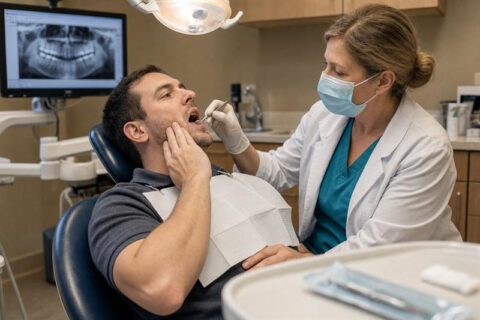
Tooth pain is not treated based on one symptom alone. At Facciolo Dentistry, an evaluation can begin by identifying the pattern: what triggers the pain, when it began, whether it is changing, and what else is happening around the tooth.
Reviewing Your Symptoms and Dental History
A dental evaluation commonly includes questions about:
- When the pain started and whether it is constant or intermittent.
- Whether biting, temperature, sweets, brushing, or pressure triggers it.
- Whether pain lingers after a trigger is gone.
- Whether swelling, trauma, clenching, or recent dental work occurred.
These details help show how the problem behaves. A tooth that hurts only under bite pressure may be evaluated differently from a tooth that throbs without a clear trigger.
Examining the Tooth, Gums, and Bite
The examination looks beyond the tooth that seems painful. Teeth, gums, fillings, crowns, bite pressure, and neighboring teeth all need consideration because pain can travel or be difficult to pinpoint.
A patient may point to one tooth while the source involves a crack in a nearby tooth, irritated gum tissue, or pressure from clenching. Looking only at the most painful spot can miss the larger pattern.
Using Tests and Imaging When Appropriate
Bite testing, temperature testing, gum assessment, and dental X-rays or other imaging can help identify problems that are not visible during a basic visual examination. The specific tests depend on the symptoms and examination findings.
The purpose is not to rush toward a procedure. It is to determine whether the tooth needs monitoring, a restoration, care for a crack, treatment for gum concerns, or another appropriate step.
Why Tooth Pain Should Not Be Ignored
Tooth pain that keeps returning usually has an underlying reason. Decay does not repair itself, cracks do not close on their own, and repeated bite pressure can continue to stress a damaged tooth or restoration.
Ignoring that pattern can allow a manageable problem to become persistent pain, swelling, more extensive tooth damage, or a more involved repair. Ongoing general and family dental care can help identify many concerns before pain starts affecting how a person eats, sleeps, or functions.
Key Takeaways
- Tooth pain can come from decay, cracks, gum concerns, damaged restorations, bite stress, or inflammation inside a tooth.
- Pain with chewing, lingering hot or cold sensitivity, swelling, throbbing, drainage, or trauma needs dental attention.
- Temporary relief does not identify or resolve the source of tooth pain.
- Rapid facial or neck swelling, trouble breathing, and trouble swallowing require emergency medical care.
- A focused dental examination helps identify the source of pain and the appropriate next step.
How Facciolo Dentistry Approaches Tooth Pain
Facciolo Dentistry begins by looking for the reason behind the pain before recommending treatment. That includes reviewing the symptom pattern and examining the tooth, gums, bite, and nearby teeth, with imaging when needed to assess what cannot be seen on the surface.
This approach matters because a crack, cavity, damaged filling, gum issue, or bite problem can feel similar at first. Once the source is clearer, the next step can be matched to the condition rather than based on a guess.
Conclusion
The challenge with tooth pain is not only the discomfort. It is not knowing whether the issue involves a cavity, a crack, gum irritation, grinding pressure, or a problem inside the tooth. When pain is ignored or managed only with temporary relief, the underlying cause can continue and become harder to address.
Facciolo Dentistry provides general and family dental care for patients who need answers about persistent, worsening, or concerning tooth pain. If chewing hurts, sensitivity lingers, swelling develops, or pain is affecting sleep, contact Facciolo Dentistry for an evaluation. For urgent warning signs, review signs that you should see a dentist immediately and seek the appropriate level of care.
Frequently Asked Questions
What are the most common tooth pain causes?
Common tooth pain causes include cavities, cracked teeth, damaged fillings or crowns, gum problems, exposed root surfaces, clenching or grinding, wisdom teeth, and inflammation or infection inside a tooth. The same symptom can come from different issues. For example, cold sensitivity can be linked to an exposed root surface, decay, a crack, or a worn filling, so the trigger alone does not identify the cause.
Why does my tooth hurt when I bite down?
Tooth pain when biting can be associated with a crack, a damaged restoration, decay, bite stress, or inflammation around the tooth. Pain when bite pressure is released is an especially useful detail because cracked teeth can hurt when the tooth flexes and then returns to position. Repeated chewing pain means the tooth is under stress each time you eat and should be evaluated.
Can tooth pain go away on its own?
Tooth pain can fade or come and go, but that does not mean the underlying issue has resolved. A crack may hurt only with certain foods, and a damaged filling may react only to cold drinks. The important distinction is between pain that is temporarily quiet and a tooth that has been properly evaluated.
When should I see a dentist for tooth pain?
See a dentist when pain persists, returns, worsens, affects eating or sleep, follows an injury, or occurs with swelling, drainage, fever, or a bad taste. These details suggest the problem is not limited to a brief trigger. Trouble breathing or swallowing, or rapidly spreading facial or neck swelling, requires emergency medical attention.
What can I do for tooth pain before my dental appointment?
Rinse gently with warm water, floss carefully if food is trapped, avoid chewing on the painful side, and stay away from foods or drinks that trigger the pain. A cold compress on the outside of the cheek can help with discomfort or swelling. Over-the-counter pain medicine should only be taken as directed on the label, and it should never be placed directly on the tooth or gums.
Is throbbing tooth pain always an emergency?
Throbbing tooth pain is not always an emergency, but it needs prompt attention when it is persistent, worsening, spontaneous, or disruptive to sleep. The urgency increases when throbbing occurs with swelling, fever, drainage, a bad taste, or facial swelling. The pain quality does not diagnose the problem, but accompanying signs help determine how quickly care is needed.