How to Prevent Cavities: Daily Habits for Adults and Kids
Many people are surprised when they or their child gets a cavity despite brushing regularly. A common issue is not a complete lack of brushing. It is a routine that misses the spaces between teeth, includes frequent sipping or snacking, or breaks down at bedtime.
Cavity prevention is not about eating perfectly or never having sweets. It is about understanding what keeps teeth exposed to plaque and acids during the day, then building habits that lower that exposure before a small concern requires a filling or more involved treatment.
Cavity Prevention Starts With the Pattern of Your Day
Cavities generally develop over time. One cookie, one sports drink, or one rushed evening does not determine oral health on its own. The bigger issue is repetition: sipping a sweet drink for hours, grazing on snacks all afternoon, skipping nighttime brushing, or leaving plaque between teeth day after day.
Teeth need regular plaque removal and time between meals and drinks to recover from acid exposure. When the same surfaces are repeatedly exposed and not cleaned well, early enamel damage can progress into a cavity.
At Facciolo Dentistry, preventive care can focus on habits that fit real family schedules. A practical plan combines home care with regular dental visits, where hard-to-clean areas and individual risk factors can be identified before they become more complicated.
How Cavities Form in the First Place
Plaque, Sugar, Acids, and Enamel
Cavities form when bacteria in plaque use sugars and carbohydrates left on teeth and produce acids. Those acids can weaken enamel, the hard outer layer of a tooth. When this happens repeatedly, enamel can lose minerals faster than it recovers, allowing decay to begin.
- Plaque collects on tooth surfaces and along the gumline.
- Food and drinks containing sugar or starches can feed bacteria in plaque.
- Those bacteria produce acids that affect enamel.
- Repeated acid exposure can weaken the tooth and eventually create a cavity.
The important distinction is frequency. Eating a sweet item with a meal is different from taking small bites or sips throughout the day. Constant exposure gives plaque more opportunities to produce acid, which is why grazing and slow sipping can increase tooth decay risk.
Why a Cavity May Not Hurt at First
A cavity does not always cause pain in its early stages. Some people notice sensitivity to cold, heat, or sweets. Others see a dark spot, feel a rough edge, or find that food catches in the same place repeatedly.
These signs do not confirm a cavity on their own, but they should not be ignored. Sensitivity, discoloration, and food trapping can also result from a damaged filling, worn enamel, gum recession, or a cracked tooth. A dental exam can identify what is affecting the tooth and what care is appropriate.
The Daily Habits That Help Prevent Cavities
Brush Twice a Day With Fluoride Toothpaste
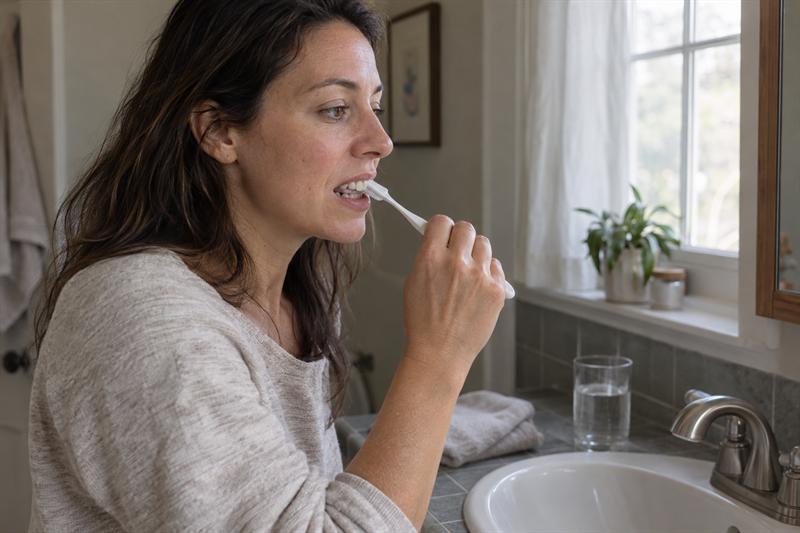
Brushing twice daily with fluoride toothpaste, including once before bed, is generally recommended for cavity prevention. Brushing removes plaque from accessible tooth surfaces, while fluoride helps strengthen enamel against the acids that contribute to decay.
Nighttime brushing matters because plaque, food particles, and drink residue can remain on teeth while you sleep if they are not removed. This habit can slip when schedules are busy, especially for children who fall asleep after a late activity or snack.
- Use a soft-bristled toothbrush and gentle, thorough strokes.
- Brush all tooth surfaces, including the chewing surfaces of back teeth.
- Replace a toothbrush when the bristles are worn or splayed.
- Make brushing the final step after food and drinks for the night, except plain water.
Fluoride needs can differ by age and cavity risk. A dentist can help determine whether a child or adult may benefit from preventive support beyond daily fluoride toothpaste.
Clean Between Teeth Every Day
Brushing alone does not always fully clean the tight spaces where teeth touch. Plaque commonly remains in these areas, which is why daily flossing or another between-teeth cleaner is an important part of cavity prevention.
Traditional floss works well for many people, but it is not the only option. Floss holders, interdental brushes, and other tools can make the routine easier for people with braces, bridges, implants, or limited hand dexterity. The most useful option is one that reaches between the teeth and can be used consistently.
Bleeding that continues during flossing should not automatically be treated as normal. It can point to gum irritation or plaque buildup that deserves attention, particularly when it does not improve with consistent cleaning.
Make Bedtime Brushing a Consistent Habit
Bedtime is where a strong routine either holds together or breaks down. Brushing after the last snack or drink removes the day’s buildup and reduces the time plaque and sugars remain on teeth overnight.
For adults, keeping a toothbrush visible and brushing before getting too tired can prevent the usual “I will do it later” problem. For children, tying brushing to a fixed part of the evening, such as pajamas or a bedtime story, can make the habit easier to keep.
Choose Water More Often Between Meals
Water is generally a tooth-friendly choice between meals because it does not add sugar or acid exposure. Frequent sipping of soda, juice, sports drinks, sweet tea, flavored drinks, or sweetened coffee can repeatedly expose teeth to sugar or acids that affect enamel.
This does not mean every sweetened or acidic drink must be eliminated. A practical approach is to avoid stretching one drink over several hours. Having it with a meal and returning to water afterward can reduce the repeated exposure associated with higher cavity risk.
Focus on How Often Teeth Are Exposed to Sugar and Acid
The question is not simply, “Does this food contain sugar?” A more useful question is, “How many times will teeth be exposed to it today?” Sticky snacks, candy, sweetened beverages, and frequent small bites can keep restarting the acid cycle in the mouth.
A common pattern is a child carrying a sweet drink through school or an adult sipping flavored coffee throughout the morning. The drink itself is only part of the issue. The extended exposure keeps teeth in contact with sugar or acid for longer.
For more family-focused guidance, read how sugar can affect a child’s oral health.
Cavity Prevention for Kids: What Parents Can Do at Each Stage
Start Oral Care When the First Tooth Appears
Oral care should begin when the first tooth appears. Young children cannot remove plaque effectively on their own, so adults need to take the lead by cleaning teeth and building a consistent routine.
Baby teeth need protection. They support comfortable eating and speaking, and they help children develop routines that carry into adulthood. Waiting until a child complains of pain can give decay time to progress, and young children may not always be able to explain what they feel.
Use Age-Appropriate Toothpaste Amounts and Supervise Brushing
Children need age-appropriate amounts of fluoride toothpaste and hands-on help with brushing. A very small smear is generally used for very young children, while older children who can reliably spit use a pea-sized amount. The right amount and level of supervision should match the child’s age and ability.
Independence does not always mean effective brushing. Children may brush only the front teeth or miss the chewing surfaces of back molars. Parents should continue helping or checking brushing until the child can clean every surface thoroughly and consistently.
Build Snack and Drink Routines That Are Easier on Teeth
Children’s cavity risk can increase through routine, not just treats. Juice boxes, sports drinks, gummy snacks, frequent crackers, and bedtime beverages can keep teeth exposed throughout the day when they are consumed slowly or repeatedly.
- Offer water as the usual between-meal drink.
- Keep snacks to defined times instead of all-day grazing.
- Serve sweet drinks with meals rather than sending them along for hours of sipping.
- Brush after the final food or drink of the evening.
Small changes are more likely to last than strict rules that are difficult to follow. The goal is to reduce the number of exposures without making food stressful.
Protect Newly Erupted Back Teeth
Back teeth have grooves that can trap food and plaque, and newly erupted molars can be difficult for children to reach well with a toothbrush. This is one reason cavities may begin on chewing surfaces.
Dental sealants may be recommended for some children based on their teeth and cavity risk. Sealants cover vulnerable grooves, but they do not replace brushing, cleaning between teeth, or regular checkups. They are generally used as part of a complete prevention plan.
Adults Can Have a Higher Cavity Risk Too
Dry Mouth, Medications, and Mouth Breathing
Dry mouth can increase cavity risk because saliva helps rinse the mouth and supports the natural balance that protects teeth. When saliva is reduced, food particles and acids can remain on teeth longer, especially around the gumline and existing dental work.
Dry mouth can be associated with medications, mouth breathing, dehydration, health conditions, and other factors. A person who develops more cavities despite a steady brushing routine should not assume brushing is the only issue. Persistent dryness may mean the prevention plan needs to change.
Do not stop or change prescribed medication because of dry mouth without guidance from the prescribing clinician. Discussing the cause with the appropriate healthcare professional and a dentist can help identify practical ways to protect teeth.
Gum Recession and Exposed Root Surfaces
When gums recede, they expose root surfaces that do not have the same enamel protection as the visible crown of a tooth. These areas can be more vulnerable to decay and sensitivity, particularly when plaque remains near the gumline.
Sensitivity does not automatically mean root decay, but ongoing sensitivity deserves attention. It can become more difficult to manage when the exposed area is hard to clean or already has enamel wear.
Dental Work, Tight Contacts, and Hard-to-Clean Areas
Existing fillings, crowns, bridges, braces, and tightly spaced teeth create areas that need focused cleaning. This does not mean someone with dental work has poor oral hygiene. It means those surfaces need maintenance because plaque can collect near restoration edges and between teeth.
New decay is not always caused by the visible surface of a tooth. It can develop near a tight contact, along the edge of an older restoration, or in a spot a toothbrush does not reach well. Daily between-teeth cleaning and regular exams help address these weak points directly.
Snacking, Sipping, and Busy Schedules
Adult routines can create cavity risk without being obvious. Sweetened coffee on a long commute, snacks at a desk, sports drinks after workouts, and late-night eating all increase exposure when they happen repeatedly.
A practical approach is to keep water nearby, eat snacks at set times, and avoid turning one sweetened drink into an all-day habit. These changes address patterns associated with decay without requiring an unrealistic diet overhaul.
When Home Care Is Not Enough
Signs to Schedule a Dental Visit
Home care cannot repair an established cavity or identify every problem developing between teeth. If you notice persistent sensitivity, a visible pit, a rough spot, food catching in one place, a damaged filling, or a child chewing on only one side, schedule a dental examination.
Do not wait for a toothache to decide there is a problem. Early decay is often painless, and waiting until pain begins can mean the problem has moved deeper into the tooth.
- Sensitivity to hot, cold, or sweet foods that keeps returning
- A dark spot, visible hole, rough area, or food trap
- A lost, cracked, or worn filling
- A child or adult avoiding one side when chewing
These signs do not all mean the same thing, but they point to a tooth that should be checked. If decay has created a cavity, learning about types of dental fillings and when they are used can help clarify the next stage of care.
Symptoms That May Need More Prompt Attention
Severe or worsening tooth pain, facial or gum swelling, fever with dental pain or swelling, uncontrolled bleeding, or a dental injury warrants prompt attention. These symptoms go beyond routine prevention and may indicate a problem that is progressing quickly.
Swelling should not be brushed off as something that will settle on its own. If swelling affects breathing or swallowing, seek emergency medical care immediately. For dental emergencies that need prompt evaluation, see the signs you should see a dentist immediately.
How Preventive Appointments Can Identify Concerns Early
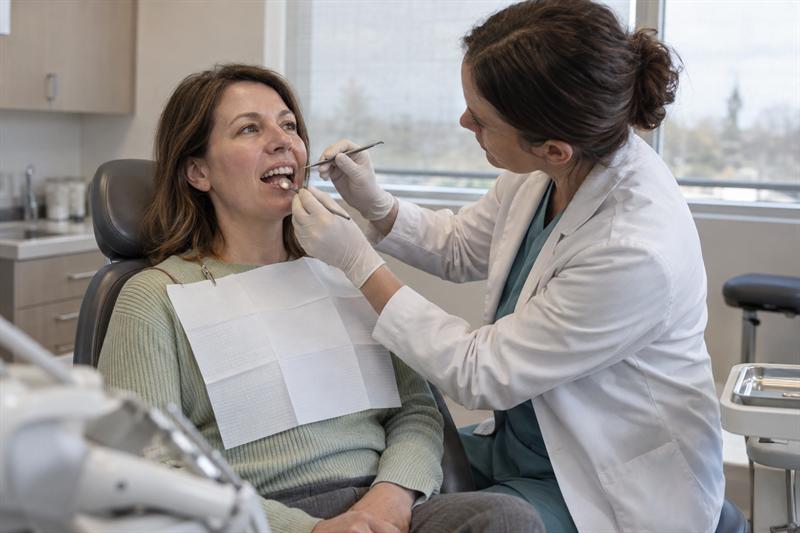
Preventive appointments look beyond the surfaces visible in a bathroom mirror. A dental exam can assess teeth, gums, existing restorations, and areas where plaque collects. Dental imaging may also be used when appropriate to assess areas between teeth or beneath tooth surfaces.
Regular visits can help identify the pattern behind a cavity concern. That may involve improving flossing, adjusting snack timing, addressing dry mouth, monitoring a restoration, or discussing fluoride or sealants when they fit the patient’s needs.
Professional Options That Support Cavity Prevention
Exams and Cleanings
Professional cleanings and exams support home care by removing buildup and identifying areas that need more attention. They also make it easier to spot concerns before they become painful, which can help limit the need for more involved treatment.
At Facciolo Dentistry, general and family dental care includes preventive visits that can identify daily patterns affecting teeth and guide focused changes that are realistic for each patient’s routine.
Fluoride and Sealants When Appropriate
Fluoride treatments and dental sealants are preventive tools that may be useful for some patients. Fluoride supports enamel, while sealants can help protect the grooves of certain back teeth where brushing is more difficult.
Neither option replaces daily brushing or cleaning between teeth. The practical choice depends on cavity history, age, tooth anatomy, home-care habits, and examination findings.
Fillings When Decay Has Created a Cavity
Once decay has created a cavity and damaged tooth structure, brushing cannot rebuild the missing area. A filling may be recommended to restore and protect the tooth before the damage reaches deeper layers.
A filling treats the cavity that already exists. It does not remove the reason the cavity developed in the first place. After treatment, the next priority is identifying the routine, dry-mouth issue, food pattern, or hard-to-clean area that allowed decay to progress.
A Simple Cavity Prevention Checklist for the Whole Family
- Brush twice daily with fluoride toothpaste.
- Brush after the final food or drink of the evening.
- Clean between teeth every day.
- Choose water more often between meals.
- Reduce frequent sipping and grazing on sugary or acidic items.
- Help children brush until they can clean every tooth surface effectively.
- Keep regular dental exams and cleanings.
- Arrange a dental evaluation for sensitivity, visible changes, food trapping, or damaged fillings.
This checklist can reduce the daily patterns associated with cavities. It does not replace an exam when a tooth is already showing signs of a problem.
Key Takeaways
- Cavity prevention depends on consistent daily habits, not perfection.
- Brushing and cleaning between teeth address different areas, and both matter.
- Frequent exposure to sugar and acid is generally more challenging for teeth than an occasional treat with a meal.
- Children and adults can face different cavity risks, from newly erupted molars to dry mouth and gum recession.
- Regular preventive dental care can help identify concerns before they turn into pain or more extensive treatment.
Conclusion: Build a Routine That Makes Prevention Easier
The real problem behind many cavities is not one food choice or one missed brushing. It is a repeated pattern that leaves plaque, sugar, and acids on teeth long enough for damage to build. Without changes to that pattern, early decay can progress into cavities, fillings, pain, and sometimes more complex treatment.
Facciolo Dentistry can help identify the habits and risk factors affecting your family’s oral health, from hard-to-clean back teeth to dry mouth, recurring sensitivity, or an older filling that needs attention. If you are due for preventive care or have noticed signs of decay, schedule an appointment with Facciolo Dentistry for an evaluation.
Frequently Asked Questions
How can I prevent cavities if I already brush twice a day?
Brushing twice a day is essential, but it does not always clean between teeth or address frequent sugar and acid exposure. Cavities can develop in tight spaces, around older fillings, in deep molar grooves, or when someone sips sweetened drinks throughout the day.
The key distinction is between brushing visible surfaces and managing the full pattern of risk. Add daily between-teeth cleaning, protect the bedtime routine, and look closely at grazing, sweetened drinks, and dry mouth if cavities continue despite regular brushing.
What is the best way to prevent cavities in children?
A practical approach is supervised brushing with fluoride toothpaste, regular bedtime brushing, water between meals, and snack routines that limit all-day sugar exposure. Once teeth touch, cleaning between them becomes important because a toothbrush does not fully reach those surfaces.
One common challenge is expecting children to brush independently before they can clean back teeth and gumline areas well. Parents who help with brushing and create predictable snack and drink routines can close that gap.
Does flossing really help prevent cavities?
Yes. Flossing or another appropriate between-teeth cleaner removes plaque from surfaces that toothbrush bristles do not fully reach. This matters because cavities can form between teeth before there is a visible hole or pain.
Traditional floss is not the only choice. Floss holders or interdental brushes can be more practical for people with braces, bridges, implants, or limited dexterity. The important factor is consistently cleaning the contact areas between teeth.
Can dry mouth cause cavities?
Dry mouth can increase cavity risk because saliva helps rinse away food particles and supports the mouth’s natural protection against acids. When saliva is reduced, plaque and acids can stay on teeth longer, especially near the gumline and around restorations.
A person with new cavities, a sticky mouth, frequent thirst, or trouble eating dry foods may be dealing with more than a brushing issue. Medications, mouth breathing, dehydration, and health conditions can contribute, so a prevention plan should account for the likely cause rather than simply adding more brushing.
What are the first signs of a cavity?
Early cavities may not cause pain. Possible signs include recurring sensitivity to cold, heat, or sweets, food catching in one area, a rough spot, discoloration, or a visible pit in a tooth.
These signs are not a diagnosis because a cracked tooth, worn enamel, gum recession, or damaged filling can feel similar. When the same tooth keeps reacting or trapping food, it is a good reason to schedule an exam rather than wait for it to change further.
Can a cavity be prevented from getting worse?
Early enamel changes and an established cavity are not the same thing. Once decay has created a hole or weakened tooth structure, daily brushing cannot rebuild that lost structure, and a filling may be needed to protect the tooth.
A common misunderstanding is that better brushing alone fixes every stage of decay. Better home care remains important because it reduces the risk of new cavities and helps protect the edges of existing dental work, but an established cavity still needs to be evaluated and treated appropriately.