Dental Bonding Aftercare: How to Care for a Composite Bonding Repair
Why Dental Bonding Aftercare Matters
Dental bonding is a conservative way to repair a chipped edge, small gap, worn spot, or minor shape issue. It works by attaching a tooth-colored composite resin to the tooth and shaping it to blend in naturally.
Aftercare matters because bonded material does not wear exactly like natural enamel. That is especially true with front-tooth repairs, where staining, edge wear, or small chips may show up sooner if the area takes repeated stress or rough daily habits.
At Facciolo Dentistry, bonding is often part of a practical treatment plan because it can improve appearance without the scope of a larger restoration. If you want background on why patients choose it in the first place, these benefits of dental bonding help explain where it fits.
How composite bonding differs from natural enamel
Composite bonding is designed to match the surrounding tooth, but it has different maintenance needs. A common mistake is assuming a bonded area will respond to whitening, brushing pressure, and bite force the same way untreated enamel does.
Bonding tends to show surface staining more easily over time, especially with repeated exposure to coffee, tea, red wine, dark sauces, or tobacco. Whitening also creates confusion. It can brighten natural tooth structure, but it does not lighten existing bonding the same way, which can leave the repair looking mismatched.
What good aftercare helps protect
- Color match with the surrounding tooth
- A smooth, polished surface
- Bonded edges that are less likely to catch or chip
- More time before a touch-up or repair is needed
What to Do Right After a Dental Bonding Appointment
Start simple. After dental bonding, protect the area from unnecessary pressure and avoid habits that immediately stress the repaired edge or surface.
The exact instructions depend on the size and location of the repair, but the main point is clear: do not test the tooth. People may feel the new shape, tap it against the opposite teeth, or bite into something firm to see how it feels, and that can create an early weak point.
If you want a clearer picture of the appointment itself, this guide to how long a dental bonding procedure takes explains what patients can expect before and after treatment.
Eating and drinking after bonding
Many patients can eat normally soon after bonding, but normal eating is not the same as aggressive biting. If the bonded area is on a front tooth edge or another visible spot, heavily pigmented foods and drinks are worth limiting early on if you want to protect the fresh color match.
- Coffee
- Tea
- Red wine
- Dark sauces
The bigger issue is usually not one meal. It is repeated exposure plus habits that wear down the polished surface, which can make stains more noticeable later.
What to avoid in the first day or two
- Chewing ice
- Biting fingernails
- Tearing open packages with your teeth
- Biting into very hard foods with a front-tooth repair
- Very sticky foods if the bonded area takes heavy bite pressure
This matters most when the bonding is on a thin front edge. A repair in that location can look excellent, but it is also one of the easiest places to overload with repeated, casual habits.
Daily Care for Composite Bonding
Bonded teeth can usually be brushed and flossed like the rest of your teeth, but technique matters more than extra effort. Gentle, consistent cleaning protects the surface better than scrubbing harder.
Many people get this backwards. They see a visible cosmetic repair and assume they should work on it more. In reality, aggressive brushing and abrasive products can dull the finish faster, which can make the bonded area stand out sooner.
Brushing bonded teeth
Use a soft-bristled toothbrush and brush thoroughly without pressing hard into the bonded surface. Non-abrasive toothpaste is generally the better choice when you are trying to preserve smoothness and reduce the chance of surface dulling.
Damage from brushing usually does not show up all at once. The polish can fade gradually, the surface can hold stain more easily, and the repair can start to look older than it is.
Flossing and gum care
Flossing still matters because the bonded area sits in the same oral environment as the rest of the tooth. Plaque buildup at the gumline or between teeth does not just affect gum health. It can also make the area harder to keep looking clean and natural.
Use a gentle technique instead of snapping floss hard through the contact. The goal is routine cleaning, not force.
Choosing less abrasive products
Whitening and abrasive products are where a lot of confusion shows up. If the surrounding teeth lighten but the bonding does not, the repair can begin to stand out even if the material itself is still intact.
That distinction matters. The problem is not always that the bonding failed. Sometimes the surrounding smile changed while the bonded area did not. Readers who are comparing cosmetic options should also review dental bonding vs veneers because maintenance expectations are part of that decision.
Foods, Drinks, and Habits That Can Shorten the Life of Bonding
The fastest way to shorten the life of bonding is to focus only on brushing and ignore daily wear patterns. Bonding usually lasts better when patients manage both stain exposure and bite-related stress.
General advice often stops at “avoid hard foods.” That is too broad to be useful. The real issue is understanding what causes discoloration and what causes fracture or edge wear, because those are not the same problem.
Common stain risks
Composite bonding tends to pick up visible staining faster when dark pigments reach the area regularly and the surface polish starts to wear. That can leave the bonded area looking duller or slightly different from the natural tooth around it.
- Coffee
- Tea
- Red wine
- Tobacco
- Dark sauces
One cup of coffee does not usually create the issue. The more common pattern is daily exposure combined with a rougher surface over time. That combination can make color mismatch easier to see.
Common chip and wear risks
Repeated pressure is one of the biggest reasons bonding can break down earlier than expected. This may show up as small edge changes first, not dramatic damage.
- Chewing ice
- Nail biting
- Using teeth as tools
- Clenching and grinding
A small front-edge repair takes repeated contact every time you bite into firm foods, test the edge, or grind your teeth at night. Over time, that can lead to roughness, thinning, or a visible chip.
If you are noticing changes in a bonded tooth, do not ignore them.
- The edge feels rough against your lip or tongue
- The bonded area looks darker or duller than the surrounding tooth
- You see a small chip or flattening at the edge
- Your bite feels different in one spot
Those signs may mean the bonding needs attention before the repair becomes more noticeable or more involved to fix.
How Long Dental Bonding Can Last With Good Maintenance
Dental bonding can last for years, but there is no single timeline that applies to every repair. Longevity depends on where the bonding is placed, how much force it takes, the size of the repair, and how the patient uses that tooth every day.
The most useful way to think about it is this: bonding tends to last longer when the repair stays clean, the surface stays smooth, and the area is not repeatedly overloaded. Ignoring those factors can shorten its lifespan faster than many people expect.
What affects longevity
- Bite forces on that part of the tooth
- Daily brushing and flossing habits
- Frequent exposure to staining foods and drinks
- Grinding or clenching
- Routine exams and touch-ups when needed
Patients sometimes try to get more time out of a repair by ignoring early wear, but that can lead to a more visible problem later. Small changes are usually easier to address while they are still small.
Why front-edge repairs may wear differently
Front-edge bonding looks natural because it is shaped to match the tooth closely, but that same location makes it more vulnerable. The edge is used constantly when biting, and even minor wear shows quickly because it is so visible.
That does not mean front-edge bonding is a poor option. It means maintenance matters more. A slight flattening or rough edge on a front tooth is usually noticeable earlier than similar wear in a less visible spot, which is why these repairs benefit from regular monitoring.
Signs Your Dental Bonding May Need a Touch-Up or Repair
When bonding starts to change, the first signs are usually visual or textural. Waiting too long can turn a simple polish or minor touch-up into a larger repair.
If you are seeing a change, the important question is what that change means. Some issues stay cosmetic. Others begin to affect comfort or function.
Cosmetic changes to watch for
- Discoloration or mismatch
- Dullness compared with the surrounding tooth
- A rougher surface
- Small visible edge changes
These changes usually point to surface wear, staining, or loss of polish. Cosmetic changes do not always mean full replacement is needed, but they rarely improve on their own.
Functional warning signs
- A sharp edge catching on the lip or tongue
- A noticeable chip
- A change in how the bite comes together
- Sensitivity or discomfort that feels new
If you are seeing these signs, the problem may be affecting more than appearance. A sharp edge usually means material has broken or shifted. A bite change can mean the repair is no longer fitting the same way. Those issues are worth having checked sooner rather than later.
Professional Maintenance and Routine Dental Visits
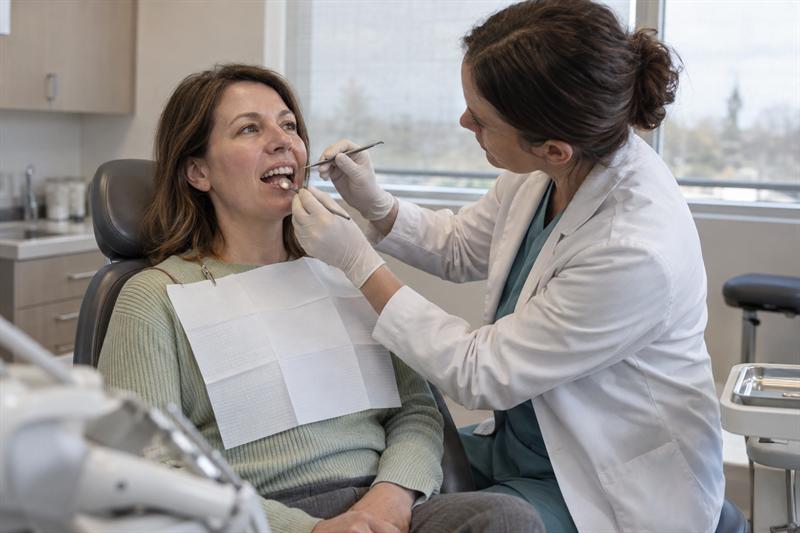
Professional maintenance matters because bonding can wear in ways patients do not always catch early. Routine dental visits help identify roughness, margin changes, bite stress, and surface staining before the repair becomes more obvious.
At Facciolo Dentistry, this kind of follow-up fits naturally into general and restorative care. Patients who already understand the value of maintenance for other dental work often find the same pattern applies here, much like with daily habits and checkups that support long-term implant health.
What a dentist checks during follow-up
- Bond margins
- Surface smoothness
- Color consistency
- Bite contact and pressure points
What patients usually notice first is color or feel. What a dentist also checks is where the bonding is taking pressure and whether a small defect is starting to form at the edge or margin.
When preventive care supports bonding longevity
Preventive care supports bonding when it catches a small issue before the material chips further or the mismatch becomes harder to ignore. Delaying care can make a minor edge change more noticeable or more involved to correct.
If clenching or grinding is part of the pattern, protecting the bonded area becomes even more important. In those cases, maintenance is not just about keeping the repair looking good. It is also about reducing repeated stress on the area.
Is Bonding Still the Right Option If You Want Low-Maintenance Cosmetic Repair?
Bonding is still a practical option for many people, especially when the goal is to fix a small chip, refine shape, or close a minor gap conservatively. The key is understanding that low-maintenance does not mean no maintenance.
The most practical option depends on the problem being corrected, how visible the tooth is, and how the patient uses that part of the smile every day. If broader cosmetic changes or stronger stain resistance are the priority, another option may make more sense.
When bonding may be a practical fit
- Small chips
- Minor shape correction
- Small gaps
- A conservative cosmetic approach
Bonding is often a straightforward choice when the defect is limited and the tooth structure is otherwise healthy. It preserves more of the natural tooth and addresses focused concerns efficiently.
When another option may be discussed
If a patient wants broader cosmetic change, has heavier wear patterns, or is focused on long-term stain resistance, bonding may not be the only option worth considering. That does not make bonding ineffective. It means the treatment should match the real goal.
This is where comparisons matter. A person trying to fix one small chip has a different decision to make than someone seeking a more comprehensive cosmetic change.
Key Takeaways
- Dental bonding aftercare protects a material that stains and wears differently than natural enamel.
- Gentle brushing, flossing, and lower-abrasion products help preserve the surface.
- Repeated habits like chewing ice, nail biting, and grinding are common reasons bonding chips or wears early.
- Staining and roughness usually start as small cosmetic changes, then become more noticeable if ignored.
- Routine exams help catch pressure points, edge wear, and surface changes before a minor repair becomes a bigger one.
Conclusion
The real issue with dental bonding aftercare is not that the material is difficult to maintain. It is that people often treat it like untouched enamel until staining, dullness, or edge damage becomes obvious. Once that happens, the repair is harder to ignore and may be more involved to correct.
At Facciolo Dentistry, patients get practical guidance that matches how bonding actually wears over time, especially in visible, high-pressure areas like front-tooth edges. If you are noticing roughness, color mismatch, a small chip, or a change in how the tooth feels when you bite, the next step is to have it checked before the problem gets larger. That is a practical way to protect the repair and keep a small issue from becoming more noticeable.
How Facciolo Dentistry Approaches Bonding Maintenance
Facciolo Dentistry approaches bonding maintenance as part of the larger picture of cosmetic and restorative dental care. The focus is not just whether the bonding is still attached. The focus is whether the shape, polish, color match, and bite are still working together the way they should.
This matters because a bonded repair can remain mostly intact and still develop problems at the edges or in the way it contacts the opposing teeth. That is why a practical evaluation looks beyond appearance alone. It identifies where wear is starting, what habits may be driving it, and whether a touch-up, repair, or a different long-term solution makes the most sense.
FAQ
Can you eat normally after dental bonding?
Usually, yes. Many patients can return to normal eating fairly quickly after dental bonding, especially when the area has been shaped and polished at the end of the visit. The more important issue is how much force the bonded area takes. A small repair on the edge of a front tooth usually needs more caution than a less exposed area because repeated direct pressure is what often starts the breakdown.
What foods and drinks should be avoided after composite bonding?
The biggest concerns are dark pigments and excess pressure. Coffee, tea, red wine, tobacco, and dark sauces affect appearance over time, while hard or sticky foods can affect the physical edge of the repair. What matters most is not one perfect avoid-list. It is knowing whether the main risk is staining the surface or stressing the bonded area mechanically.
Does dental bonding stain more easily than natural teeth?
It can become visibly stained sooner when the polished surface starts to wear. Composite bonding blends in well, but it does not respond exactly like natural enamel over time. A useful distinction is that staining often becomes more noticeable because the surface loses smoothness, not just because a person had one dark beverage.
How do you brush and floss bonded teeth without damaging them?
Use normal daily hygiene with less force, not more. A soft-bristled toothbrush and a less abrasive toothpaste help protect the finish, while gentle flossing keeps plaque away from the margins and gumline. The common mistake is scrubbing harder because the area is cosmetic. That usually dulls the bonding faster instead of protecting it.
How long does dental bonding usually last with good care?
There is no single lifespan that fits every case because the repair location and daily wear pattern matter so much. A small front-edge repair usually wears differently from bonding placed elsewhere because it is used constantly and seen immediately. The most important point is that bonding often lasts longer when early wear, staining, or bite stress is addressed before it progresses.
Can chipped or stained dental bonding be repaired, or does it need to be replaced?
Not every issue requires full replacement. Small chips, surface roughness, or minor cosmetic changes can sometimes be improved with a touch-up or more limited repair, depending on what changed. The distinction that matters is whether the problem is only visual or whether it is affecting comfort, shape, or the way the teeth meet. A stain is different from a sharp edge that catches on the lip or changes the bite.