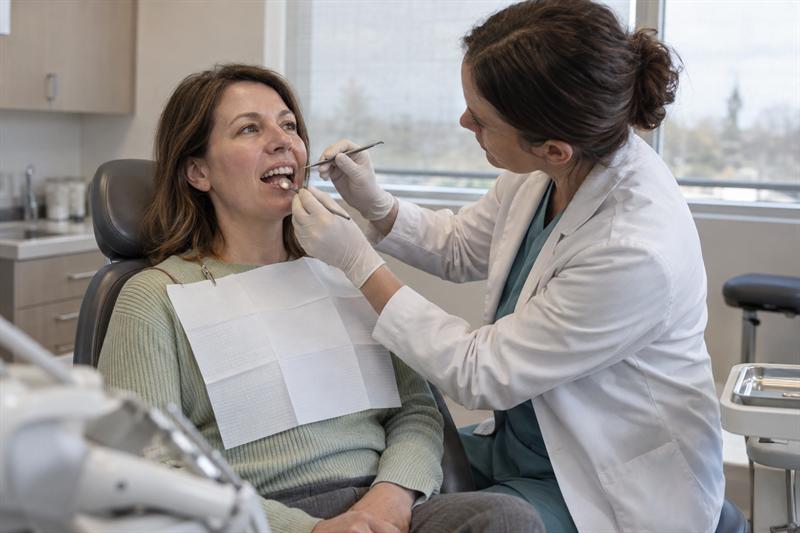
What Is General Dentistry? A Complete Guide for New Patients
Quick Answer: General dentistry is a starting point for maintaining oral health, identifying concerns early, and addressing many common dental needs before they become more involved. At Facciolo Dentistry, general and family dental care includes exams, preventive care, treatment planning, and follow-up based on each patient’s needs.
If it has been a while since your last appointment, you may not know whether to schedule a cleaning, an exam, or a visit for a specific concern. General dentistry provides a practical place to start by reviewing your teeth, gums, existing dental work, symptoms, and oral health history.
What Is General Dentistry?
General dentistry is routine dental care focused on maintaining oral health, helping prevent common problems, evaluating concerns, and treating many everyday dental conditions. A general dentist is often the first person to see for checkups, cleanings, tooth discomfort, cavities, gum concerns, or questions about existing fillings and other dental work.
It is more than a cleaning appointment. General dentistry includes ongoing monitoring and treatment planning because dental conditions can change over time. A small cavity can become larger, a worn filling can break down, and gum irritation can become more difficult to manage when regular care is delayed.
What Does a General Dentist Do?
A general dentist helps patients understand what is happening and what should come next. Care often begins with prevention and evaluation, then moves to treatment or referral when findings call for more focused care.
Helps Prevent Common Dental Problems
Routine exams and professional cleanings remove buildup and give the dental team an opportunity to look for changes that may be easy to miss at home. Decay, gum inflammation, or a failing restoration can develop without obvious symptoms.
- Dental exams and oral health evaluations
- Professional cleanings
- Guidance on brushing, flossing, and daily oral hygiene
- Preventive recommendations based on oral health history and examination findings
- Monitoring for changes in teeth, gums, and dental restorations
Waiting until something hurts can mean a concern has had more time to progress. Preventive care helps clarify what needs attention now and what should be monitored over time.
Evaluates Changes in Teeth, Gums, and Existing Dental Work
General dentistry includes evaluating symptoms and changes that affect daily comfort. Tooth sensitivity, bleeding gums, chipped teeth, discomfort while chewing, and loose or worn fillings all warrant an examination because the visible symptom may not reveal the full issue.
- Tooth sensitivity or pain
- Possible signs of tooth decay
- Bleeding, irritated, or tender gums
- Chipped, worn, or cracked teeth
- Loose, broken, or aging fillings and restorations
- Changes in bite or chewing comfort
Dental X-rays or other diagnostic tools may be recommended when they are needed to evaluate areas that cannot be fully assessed by sight alone. Online information can help you recognize a concern, but an examination is needed to determine the appropriate next step. If you notice a change in your teeth or gums, scheduling an exam is a practical place to begin.
Treats Many Common Dental Concerns
General dentists commonly treat cavities, minor tooth damage, worn restorations, and other routine oral health needs. Fillings are a familiar example, but a filling is not automatically the right answer for every damaged tooth.
The amount of healthy tooth structure remaining, the location of the damage, chewing pressure, and the condition of the surrounding tooth can all affect the treatment plan. A quick fix without a full evaluation may not address the factors contributing to the problem. For guidance after restorative treatment, review these tips for dental filling aftercare.
Coordinates Care When a Specialist May Be Needed
General dentistry also includes recognizing when a concern may benefit from additional expertise. Complex gum concerns, root canal treatment, surgical care, orthodontic planning, and extensive tooth replacement are examples of situations where a general dentist may recommend care with a specialist.
A referral is not the end of treatment. It helps keep care focused on the condition being addressed rather than applying the same solution to every concern. The general dentist may continue to be an important point of contact for evaluating the concern, explaining the next step, and coordinating the overall dental plan.
Common General Dentistry Services
General dentistry commonly includes services that support oral health, identify changes, and address many everyday concerns. The services recommended depend on each patient’s current needs.
- Dental exams
- Professional cleanings
- Oral health evaluations
- Preventive recommendations
- Dental fillings
- Evaluation of tooth pain or sensitivity
- Gum health evaluations
- Monitoring of crowns, fillings, and other restorations
- Guidance on home oral hygiene
- Referral coordination when needed
A general dentistry appointment is often the right place to begin when you are unsure what service you need. For a closer look at the appointment process, read what to expect during regular visits to a general dentistry office.
General Dentistry vs. Preventive, Restorative, Cosmetic, and Specialty Care
Dental care categories can overlap, but they serve different purposes. Understanding the differences can help you decide where to begin when you need care.
Preventive Dental Care
Preventive care is a central part of general dentistry. It includes exams, cleanings, home-care guidance, and recommendations based on the condition of your teeth and gums. Prevention is an ongoing process of monitoring oral health and responding to changes before they require more extensive treatment.
Restorative Dental Care
Restorative care repairs damaged or missing tooth structure when appropriate. A filling is commonly used for a cavity or minor damage, while a tooth with more extensive damage may need a different approach.
Problems can become more involved when treatment is delayed. Untreated decay can continue to affect the tooth, and damaged tooth structure does not repair itself. A general dentist evaluates the tooth first, then explains the options for protecting the remaining structure.
Cosmetic Dentistry
Cosmetic dentistry generally focuses on improving the appearance of teeth and smiles. Cosmetic goals and general dental care can overlap, especially when a patient has both functional and appearance-related concerns.
Oral health concerns should be evaluated before elective cosmetic treatment. Addressing decay, gum concerns, or unstable dental work first can provide a more reliable starting point for future treatment planning.
Specialty Dentistry
Dental specialists focus on specific areas of care. A general dentist often serves as the starting point for determining whether a referral is appropriate and coordinating what happens next.
If a concern needs specialized treatment, scheduling an evaluation can provide direction without requiring you to guess which provider to call first.
What to Expect at Your First General Dentistry Visit
A first visit is designed to establish a current picture of your oral health. The exact flow varies based on your dental history, symptoms, and reason for the appointment, but most visits include the following steps.
- Health and dental history review: The dental team reviews relevant health information, prior dental care, medications, and current concerns.
- Discussion of symptoms and goals: This is the time to mention sensitivity, discomfort, broken dental work, bleeding gums, or concerns about your smile.
- Oral examination: The dentist evaluates the teeth, gums, bite, and visible dental work.
- Gum health evaluation: Gum health is part of the overall picture and may affect recommendations for care.
- Diagnostic imaging when appropriate: X-rays or other imaging may be recommended when additional information is needed.
- Cleaning considerations: A cleaning may be completed or planned based on the findings and the type of care needed.
- Next-step discussion: The dentist explains findings, priorities, treatment options, and follow-up recommendations.
One common misunderstanding is assuming every first visit ends with the same treatment. If an urgent concern is identified, the priority may be understanding the issue and making an appropriate plan. This helps ensure that care addresses more than the immediate symptom.
When Should You Schedule a General Dentistry Appointment?
Schedule a general dentistry appointment when you are due for routine care or when something has changed. Waiting for pain is not a reliable strategy because some dental problems may not be noticeable until they have progressed.
- You are overdue for a checkup or cleaning
- You have tooth sensitivity or discomfort
- Your gums bleed or feel irritated
- You chipped a tooth or notice rough edges
- A filling feels loose, broken, or different when you bite
- Your bite or chewing comfort has changed
- You have questions about bad breath, dry mouth, or daily oral hygiene
- You want to establish care with a new dentist
Do not wait for a routine visit if you have severe pain, facial swelling, uncontrolled bleeding, or a dental injury. These signs need prompt dental evaluation. Learn more about signs that you should see a dentist immediately for a dental emergency.
If you notice a broken filling, pain when chewing, bleeding gums, or sensitivity that keeps returning, schedule an evaluation.
- A broken or loose filling can leave the tooth less protected and may allow the underlying concern to worsen.
- Pain when chewing can be related to a tooth or bite concern that should be examined rather than repeatedly managed at home.
- Bleeding gums are a sign that gum health needs attention.
- Recurring sensitivity may mean the trigger has not been addressed.
A general dentistry exam can help identify what may be contributing to the symptom and what should happen next.
How General Dentistry Supports Long-Term Oral Health
Long-term oral health involves more than treating isolated problems as they appear. Regular care allows a dentist to compare changes over time, monitor existing dental work, and recognize patterns that may be harder to identify during a single emergency or treatment-focused visit.
At Facciolo Dentistry, the approach to general and family dental care starts with the current concern, then considers what has changed and what needs to be protected moving forward. A filling, crown, gum concern, or recurring sensitivity has a history, and that history can help guide the next steps.
- Comparing changes in teeth and gums over time
- Monitoring fillings, crowns, and other restorations
- Tracking recurring discomfort or changes in bite
- Adjusting preventive recommendations as oral health needs change
- Building a clearer dental history for future treatment decisions
Seeking care only when a restoration fails or pain becomes difficult to ignore can lead to more urgent decisions. Ongoing general dentistry helps identify changes earlier, when there is more time to understand the options and plan care.
How to Choose a General Dentist for Ongoing Care
Choosing a general dentist is not only about finding an available appointment. The right office should make it easier to understand what is happening, why a recommendation is being made, and what needs attention first.
- Clear explanations of examination findings and treatment options
- A practical approach to preventive and ongoing care
- Routine services that address common dental needs
- A clear process for referrals when specialized care is appropriate
- Accessible new-patient scheduling
- Direct communication about financial, insurance, and payment questions
- Time to ask questions and understand the next step
Patients benefit from understanding whether a concern is urgent, what happens next, and why treatment was recommended. Facciolo Dentistry provides general and family dental care for patients who want a clearer picture of their oral health and treatment options.
Key Takeaways
- General dentistry is commonly the starting point for routine oral health care and new dental concerns.
- It includes prevention, examinations, common treatments, long-term monitoring, and referral coordination.
- Small problems can become more involved when care is delayed, especially decay, gum irritation, and damaged dental work.
- A first visit helps establish a current picture of oral health and identify priorities.
Conclusion: Start With a Clear Picture of Your Oral Health
Being overdue for a cleaning or unsure about one tooth is a good reason to schedule an evaluation. Changes in your teeth, gums, or dental work can be easier to address when they are identified before they lead to pain, broken restorations, or more complex treatment needs.
Facciolo Dentistry is a practical next step for patients who need routine care, have noticed a new concern, or want to establish ongoing general and family dental care. Schedule an appointment to get a clear evaluation, understand what needs attention, and discuss the next steps for your care.
Frequently Asked Questions About General Dentistry
What is general dentistry?
General dentistry is routine dental care that focuses on prevention, evaluation, and treatment of many common oral health concerns. It commonly includes exams, cleanings, gum health evaluations, fillings, oral hygiene guidance, and monitoring of existing dental work.
The services recommended depend on what the dentist finds during the examination and on the patient’s oral health history. If you are not sure where to begin, a general dentistry visit provides a clear starting point.
What does a general dentist do?
A general dentist helps patients maintain oral health through preventive care, examinations, common dental treatment, monitoring, and referrals when appropriate. The dentist considers the overall picture, including symptoms, dental history, gums, teeth, bite, and existing restorations.
This approach matters because treating only a symptom may leave contributing factors unaddressed. If you have a new concern or are due for routine care, scheduling an exam provides a direct path forward.
What services are included in general dentistry?
General dentistry commonly includes dental exams, professional cleanings, preventive care, fillings, gum health evaluation, treatment planning, and assessment of discomfort or damaged dental work. It also includes guidance on home oral hygiene and referral coordination when another type of care is needed.
Services vary by practice and by patient needs. An exam helps determine which services are appropriate now and which concerns should be monitored.
What happens at a first general dentistry appointment?
A first general dentistry appointment commonly includes a review of health and dental history, a discussion of concerns, an oral examination, and a conversation about next steps. Gum evaluation, dental imaging when appropriate, cleaning considerations, and treatment recommendations may also be part of the visit.
The exact appointment flow depends on the reason for the visit and the findings. Review what to expect during a general dentistry visit and schedule an evaluation when you are ready to establish care.
Can a general dentist treat cavities?
General dentists commonly evaluate and treat cavities, frequently with fillings when the tooth is suited to that treatment. The right approach depends on the location and extent of damage, how much healthy tooth structure remains, and the pressure placed on the tooth during chewing.
Delaying care for a cavity can allow the damage to continue and may lead to more extensive treatment. If you have sensitivity, discomfort, or concern about decay, schedule an examination rather than waiting for the problem to become painful.
How often should someone see a general dentist?
The appropriate timing for dental visits varies based on oral health history, current findings, gum health, cavity risk, and existing dental work. There is no single schedule that fits every patient.
The practical approach is to follow the interval recommended after an oral health evaluation. If you are unsure when you were last seen or have noticed a change, schedule a visit with Facciolo Dentistry to establish your current needs.