Tips for Using Invisalign
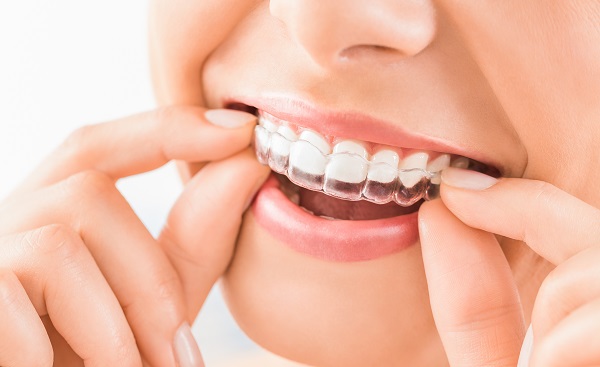
If you opt for
Invisalign® aligners, you will need to make fewer adjustments, unlike if you have a traditional treatment like metal braces. However, there is still an adjustment phase. Whether you are an aspiring
Invisalign user or you currently have the aligners, the tips in this article will help you get the most out of the treatment.
Invisalign tips
The following are tips for using
Invisalign.
Always remember to wear the aligners
The removability of Invisalign can be both an advantage and a disadvantage. On one side, it means that unlike metal braces, patients can eat whatever they want because they can take the aligners off when eating. It is also easier to brush and floss the teeth, since they are removable.
The issues come if users forget to wear the aligners after meals or brushing. The major rule of using Invisalign is to keep them in the mouth for at least 20 to 22 hours per day. Deviating from this will cause delays in treatment, and results will not happen as early as anticipated. A tip for remembering to wear the aligners is to practice brushing the teeth and cleaning the trays after each meal; that way, they can be worn immediately.
Keep the aligners clean
Patients need to learn how to clean the Invisalign trays properly to prevent discoloration, odor and bacteria accumulation. Each morning, the trays and the teeth should be cleaned properly. During sleep, bacteria may have accumulated on the trays, so it is better to start the day with clean teeth and trays. This should be repeated in the evening as well.
The aligners should be rinsed when they come off the teeth to prevent creating a breeding ground for bacteria. A soft-bristled toothbrush with clear, scentless antibacterial soap can be used for cleaning. Even when out of the house, it is important to care for the trays.
Soak the aligners daily in Invisalign cleaning crystals or denture cleaner to keep the trays clean. After soaking them, a toothbrush (different from the one for teeth brushing) should be used to brush the trays before wearing them.
Remember to brush and floss the teeth before wearing the tray. Putting the trays back on when there are food particles stuck on the teeth will trap them, which may cause oral issues like cavities down the line.
Avoid leaving the Invisalign trays in the open
When the Invisalign trays come off the teeth, they should be stored in the carrying case. Leaving them in the open could cause bacterial buildup and increase the risk of losing them. Users should always carry the case with them, just to be safe. If the trays are accidentally left out for a while, they should be rinsed properly before they are worn again.
There is an adjustment phase
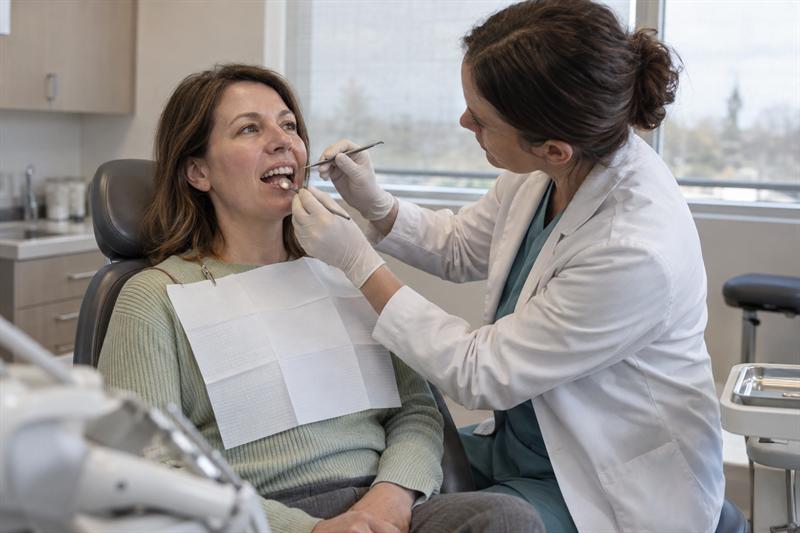
Adjusting to Invisalign trays is easy and convenient, but the mouth will need time to adjust. Since there is no metal wire or bracket, there is no risk of tooth or gum irritation, but you will have to get used to wearing the trays and caring for them. Discuss with the general dentist to get more tips for the adjustment phase.
Request an appointment here: https://dentalhealthde.com or call John M. Facciolo D.M.D., P.A. at (302) 652-2451 for an appointment in our Wilmington office.
Recent Posts
Dental bonding is a conservative way to repair a chipped edge, small gap, worn spot, or minor shape issue. It works by attaching a tooth-colored composite resin to the tooth and shaping it to blend in naturally.Aftercare matters because bonded material does not wear exactly like natural enamel. That is especially true with front-tooth repairs,…
If you are considering porcelain veneers, the question is not just what they are. The bigger question is whether they fit the specific problem you want to address. At Facciolo Dentistry, this is a common conversation with patients who want a better-looking smile but are still sorting out whether veneers, bonding, whitening, or another option…
For many parents, the real question is not just whether a dental office sees children. It is whether the visit will feel manageable enough that the child stays calm, cooperative, and willing to come back. At Facciolo Dentistry, that difference matters because a stressful early experience can make future visits harder, while a calm, well-explained…
Quick Answer: Partial dentures and implant-supported dentures both replace missing teeth, but they rely on different support systems. Partial dentures usually make the most sense when healthy teeth remain and a removable, lower-cost option fits the situation, while implant-supported dentures are often a better fit when stability, chewing confidence, and longer-term support matter more.If you…