What to Expect at Your First Dental Visit: Step-by-Step Guide
A first dental visit can feel stressful when you do not know whether you will need X-rays, a cleaning, or treatment. At Facciolo Dentistry, the visit begins with your health history, current concerns, and dental goals so the next step reflects your oral-health needs.
This guide explains what commonly happens before, during, and after a first dentist appointment. It also covers what to bring, why visits differ from one patient to another, and how to leave with a clearer understanding of your oral health.
Before Your First Dental Appointment: How to Prepare
Preparation helps the dental team understand your health history and concerns from the start. This is especially useful if it has been a long time since your last visit, you have existing dental work, or something in your mouth has changed.
Bring the information requested by the office and write down anything you do not want to forget. Details such as sensitivity to cold drinks or soreness when chewing can help focus the examination on the right area.
What to Bring to Your First Dental Visit
- Identification: Bring photo identification if the office requests it for check-in.
- Insurance information: Bring your dental insurance details if you plan to use coverage.
- Medication and allergy list: Include prescriptions, over-the-counter medications, supplements, and known allergies.
- Medical information: Share relevant medical conditions, recent health changes, and previous surgeries when applicable.
- Dental records or recent X-rays: Bring them when available and requested.
- Your questions: A written list can help you remember concerns about pain, old dental work, appearance, or home care.
Medications and health conditions can affect treatment planning and the way a dental team approaches care. Insurance details are useful for practical planning, but they do not determine what the exam finds or which care is recommended.
What Information Should You Share With the Dental Team?
Be direct about what you have noticed, even if it comes and goes. Pain, sensitivity, bleeding gums, dry mouth, jaw soreness, clenching, grinding, and changes around an old filling or crown are all relevant details.
It is easy to focus on the one tooth that hurts while other signs, such as gum bleeding, worn tooth edges, or recurring sensitivity, may also be relevant. Sharing past dental experiences is useful too, especially if anxiety, discomfort, or a difficult prior appointment has made it harder to seek care.
Step 1: Check-In and New-Patient Forms
The first step is usually check-in and new-patient forms. These forms help confirm contact information, insurance information when applicable, medical history, dental history, medications, allergies, and the reason for your visit.
Health information is more than administrative paperwork. Some medical conditions and medications can affect oral health, healing, treatment options, or precautions needed during care. Keeping this information current helps the dental team evaluate the full picture rather than one tooth alone.
Step 2: Dental X-Rays or Imaging, When Needed
Dental X-rays are not the same for every new patient. They are often recommended when recent images are unavailable, when symptoms need further evaluation, or when the dentist needs to assess areas a visual exam cannot fully show.
A visual exam provides important information, but it does not show every surface between teeth or every structure below the gumline. Decay between teeth, changes around existing dental work, and concerns involving supporting structures may not be visible without appropriate imaging.
Why Might a Dentist Recommend X-Rays at a First Visit?
- To evaluate areas between teeth where decay can be difficult to see directly.
- To review bone levels and supporting structures around teeth.
- To assess older fillings, crowns, bridges, implants, or other dental work.
- To establish a baseline when recent dental records are not available.
- To investigate pain, swelling, sensitivity, injury, or another specific concern.
If you have pain when chewing, swelling, or a tooth that suddenly reacts differently to temperature, the area may need more than a quick visual look. Imaging can help the dentist determine what needs attention and what does not.
Step 3: Your Comprehensive Dental Exam
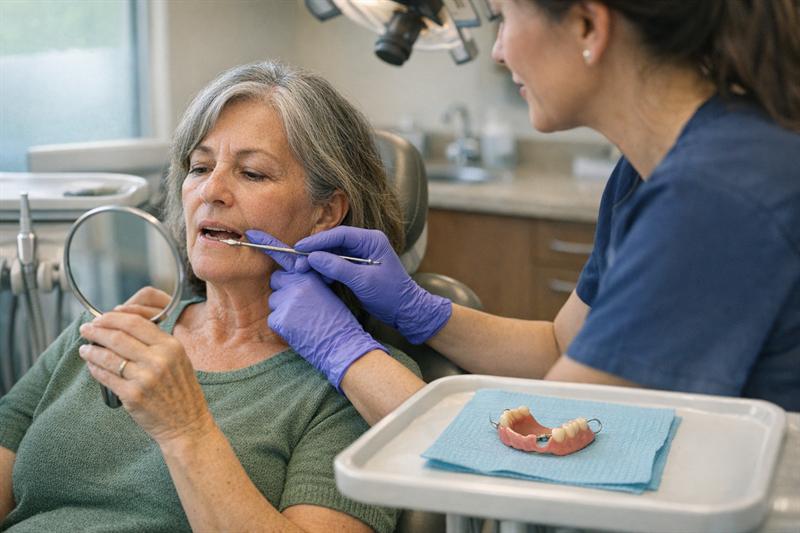
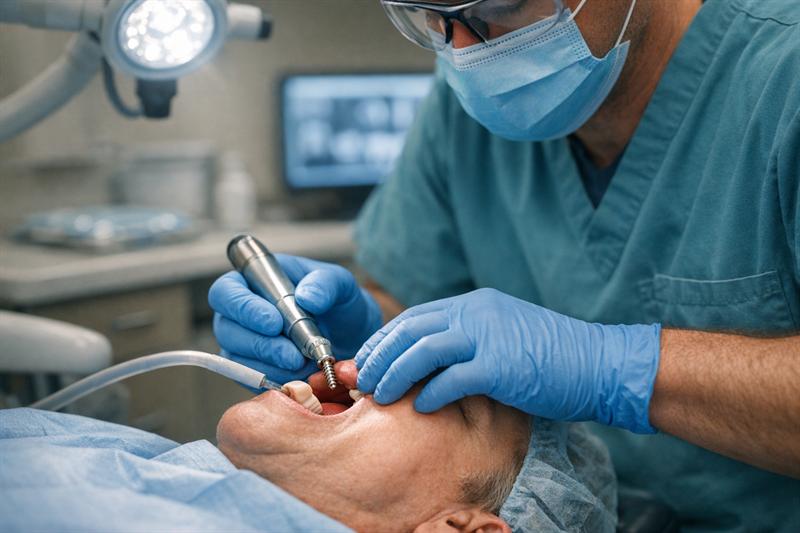
Your dental exam is broader than a cavity check. The dentist evaluates the teeth, gums, bite, existing dental work, and oral soft tissues, then connects those findings to the symptoms and goals you discussed earlier.
You may expect the exam to focus only on pain, but it can also identify issues that may create future trouble, such as wear from grinding, gum inflammation, changes around older restorations, or areas that need monitoring.
What May Be Checked During a Dental Exam?
- Teeth for signs of decay, cracks, wear, or damage.
- Existing fillings, crowns, bridges, implants, dentures, and other restorations.
- Gums and areas that need closer periodontal evaluation.
- Bite alignment, jaw comfort, and tooth wear connected to clenching or grinding.
- The tongue, cheeks, lips, gums, and other oral soft tissues.
- Specific areas related to pain, sensitivity, bleeding, swelling, or chewing concerns.
The exam gives the dentist a basis for explaining priorities. A small concern that can be monitored can be distinguished from a problem that appears to be worsening and needs treatment sooner.
Step 4: Will Your Teeth Be Cleaned at the First Appointment?
Your teeth may be cleaned at your first dental appointment, but the answer depends on the office schedule and what the exam shows. A routine cleaning is appropriate for many patients, while others need a closer evaluation of gum health before the right type of care is planned.
This matters because a cleaning is not one-size-fits-all. When routine preventive care fits the condition of the teeth and gums, a cleaning may be completed during the visit. When the evaluation points to a different level of gum-care need, the dental team can explain what that means and why a separate plan is recommended.
Why a Cleaning May Be Completed That Day or Scheduled Separately
- The appointment may have been scheduled with enough time for both an exam and a routine cleaning.
- Recent records and available X-rays can affect how much needs to be reviewed.
- Gum findings may require a more detailed discussion before treatment begins.
- Symptoms such as pain or swelling may need priority evaluation before preventive care is completed.
One common misunderstanding is assuming every appointment includes the same cleaning, then feeling confused when the team recommends a different next step. A more useful question is, “What type of preventive or gum care fits what you found today, and why?” For a broader view of ongoing appointments, read Visiting a General Dentistry Office for Regular Visits: What to Expect.
Step 5: Reviewing Findings and Discussing Next Steps
After the exam and any needed imaging, the dentist reviews the findings with you. This discussion should clarify what looks healthy, what should be watched, what needs treatment, and how soon each concern should be addressed.
The purpose is to give you a clear sequence: what needs attention first, what can be planned, and which home-care habits support your oral health between visits.
If Everything Looks Healthy
If the exam does not identify a treatment need, the visit still establishes a useful baseline. You may receive home-care guidance and a recommendation for future preventive visits based on your oral-health history and current findings.
Regular visits can make it easier to identify changes before they become more involved. That ongoing view matters because worn restorations, gum changes, and early decay do not always cause immediate pain.
If the Dentist Finds a Concern
If the dentist finds a concern, the next step depends on what it is and how urgent it appears. Recommendations can include monitoring, preventive measures, restorative treatment, gum care, or another appointment to complete care.
Ask which issue is the priority, what may happen if it is delayed, and what options are available. For example, a cavity can grow deeper over time and may require more involved care than an earlier cavity. If a filling is recommended, Types of Dental Fillings Explained: Which Option Is Right for You? explains common filling options.
When a First Dental Visit Should Not Wait
Persistent pain, swelling, a broken tooth, or trouble chewing should be evaluated promptly. These signs may point to a concern that needs timely dental attention.
- Tooth pain that keeps returning or disrupts sleep.
- Swelling in the gums, face, or jaw.
- A cracked, broken, or loose tooth or restoration.
- Bleeding that is heavy, persistent, or follows an injury.
Delaying care for these concerns can lead to more discomfort or more extensive treatment. If you are dealing with one of these concerns, review signs you should see a dentist immediately to distinguish a routine first visit from a situation that needs faster attention.
How Long Does a First Dental Visit Take?
A first dental visit is often longer than a routine follow-up because it includes time to establish your history and evaluate your current oral health. The total time depends on whether forms were completed in advance, whether imaging is needed, how detailed the exam needs to be, whether a cleaning is included, and how many concerns need discussion.
There is no single appointment length that fits every patient. Someone with recent records and no current concerns may need a different amount of time than someone returning after years away, managing several older restorations, or dealing with pain.
What If You Feel Nervous About Going to the Dentist?
Dental anxiety is a common barrier, especially for people who have had a difficult experience or have delayed care because they expect bad news. Telling the dental team early gives them context for how to communicate during the appointment.
At Facciolo Dentistry, patients do not need to hide anxiety or apologize for time away from care. The visit can work better when concerns are discussed directly, since the team can explain each step, pause when appropriate, and answer questions before moving forward.
Simple Ways to Make a First Dental Visit Easier
- Tell the office about anxiety when scheduling or checking in.
- Ask for an explanation before each part of the visit begins.
- Agree on a signal if you need the dentist or hygienist to pause.
- Bring written questions so concerns are not forgotten.
- Explain past experiences that affect your comfort or communication needs.
- Before leaving, ask what happens next and why.
Uncertainty can grow when a patient stays quiet through the appointment and leaves without understanding the plan. Clear communication can make a first visit a practical starting point, even when treatment is needed.
Questions to Ask at Your First Dental Visit
- What are the most important findings from my exam?
- Which concerns need attention first, and what may happen if I wait?
- Do I need follow-up care, and what is the purpose of that appointment?
- What are my options if treatment is recommended?
- What should I do at home to support my teeth and gums?
- When should I return for preventive dental care?
These questions help separate urgent issues from concerns that can be planned over time. They also make it easier to understand the reason behind a recommendation instead of leaving with unfamiliar dental terms.
Building a Plan for Ongoing Dental Care
A first dental visit is the beginning of an ongoing plan, not just a one-time cleaning. Regular exams and cleanings give the dental team a chance to track changes in teeth, gums, and existing dental work before discomfort becomes the first warning sign.
Facciolo Dentistry approaches general and family dental care by looking at what is happening now and what should be watched over time. That can include preventive visits, home-care guidance, and follow-up planning when a concern needs attention. Learn more in What Is General Dentistry? A Complete Guide for New Patients.
Key Takeaways
- A first dental visit usually includes health-history review, a discussion of concerns, and a dental exam.
- X-rays and cleanings are based on your records, symptoms, scheduling, and exam findings.
- Bring requested information, a medication list, and questions about symptoms or prior dental work.
- A cleaning is not the same for every patient because gum-health findings shape the appropriate next step.
- Sharing anxiety, past experiences, and current concerns helps the dental team communicate effectively.
- Prompt attention is important when pain, swelling, a broken tooth, or trouble chewing is present.
Ready to Schedule Your First Dental Visit?
A first dental visit is an opportunity to understand what is happening in your mouth and address concerns before they become more difficult to manage.
If you have pain, sensitivity, broken dental work, or gum changes, scheduling an evaluation can help clarify the cause and appropriate next step. Facciolo Dentistry can help you begin with an evaluation, a clear explanation of findings, and a practical plan for general or family dental care. Schedule your first dental visit with Facciolo Dentistry to address current concerns and establish a plan based on your oral health.
Frequently Asked Questions About Your First Dental Visit
What should I bring to my first dental visit?
Bring the information the office requests, which may include identification, dental insurance details, a list of medications and allergies, and relevant medical history. Previous dental records or X-rays can be useful when requested, especially if they are recent. A written list of symptoms also helps ensure concerns such as sensitivity, gum bleeding, jaw discomfort, or a damaged filling are discussed during the exam.
Will I get a cleaning at my first dentist appointment?
A cleaning may be included in a first dentist appointment, but it depends on scheduling and what the exam shows. A routine cleaning is commonly completed when preventive care fits the condition of the teeth and gums. If the gums need closer evaluation or a different type of care, the team can explain why the routine approach is not the right next step before planning treatment.
Do dentists take X-rays at the first visit?
Dentists may recommend X-rays at a first visit when recent images are not available or when they need to assess areas that cannot be fully seen during a visual exam. For example, X-rays can help evaluate spaces between teeth, supporting structures around teeth, existing dental work, or symptoms such as pain and swelling. Imaging is based on your history, symptoms, records, and examination needs rather than a single automatic rule.
How long does a first dental visit take?
A first dental visit can take longer than some routine appointments because it includes new-patient forms, health-history review, an exam, and sometimes imaging or a cleaning. The time changes based on how much needs to be reviewed and whether you have symptoms, older dental work, or questions that need discussion. A visit focused on one urgent concern also follows a different timeline than an appointment intended to establish routine preventive care.
What happens if I have not been to the dentist in years?
If it has been years since your last dental visit, the first step is to update your health history, discuss concerns, and complete an exam that establishes a current baseline. Time away from care does not automatically mean extensive treatment is needed. The exam and any appropriate imaging help show whether the next step is routine preventive care, monitoring, or follow-up for a specific concern.
What should I ask the dentist during my first visit?
Ask which findings matter most, whether anything needs prompt attention, and what may happen if treatment is delayed. If care is recommended, ask what the options are, what each option addresses, and what the appointment sequence would look like. These questions help you understand the difference between an issue that needs action now and one that can be monitored as part of ongoing care.