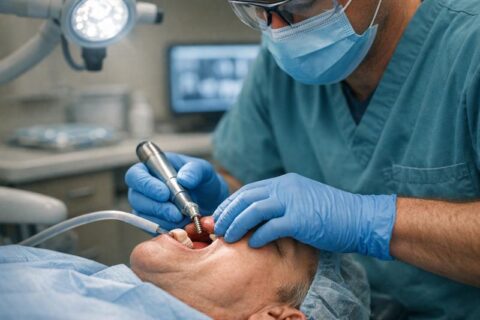
Dental Implants Process: Step-by-Step Guide to What to Expect
Quick Answer: The dental implants process replaces a missing tooth in stages: planning the final restoration, preparing the area when needed, placing the implant, allowing it to heal, and attaching a crown, bridge, or denture. The key is not simply placing the implant post. The gums, jawbone, bite, and final restoration need to work together so the replacement tooth can function and be maintained over time.
At Facciolo Dentistry, patients may expect one procedure and learn that a sound implant plan has several connected stages. Understanding those stages helps patients ask better questions, avoid rushed decisions, and know what needs attention before the final tooth is placed.
What Is a Dental Implant?
A dental implant is a tooth replacement system designed to support a visible restoration. The implant post is placed below the gumline, while the replacement tooth seen in the smile is added later during the restorative phase.
The Three Parts of a Dental Implant
A dental implant has three main components:
- Implant post: A small post placed in the jawbone that serves as the foundation for the restoration.
- Abutment: A connecting piece that joins the implant post to the final restoration.
- Restoration: The visible replacement tooth, which may be a crown, bridge, or denture.
The implant post is not the final tooth. The visible restoration should fit the bite, blend with surrounding teeth, and allow for daily cleaning. Problems can develop when treatment is planned around surgery alone instead of the final result.
What Can Dental Implants Replace?
Dental implants can support several types of tooth replacement. The right choice depends on how many teeth are missing, where they are located, the condition of the gums and jawbone, and whether a fixed or removable option fits the patient’s needs.
- A single implant and crown can replace one missing tooth.
- Implants can support a bridge when several adjacent teeth are missing.
- Implants can help support a denture when many or all teeth in an arch are missing.
- Some full-arch treatment plans use implants to support a fixed set of replacement teeth.
For patients who already wear a denture or are considering one, understanding when dentures are an option can help clarify where implant-supported choices fit into the larger discussion.
Before the Dental Implant Process Begins: Is an Implant the Right Option?
Dental implants are not selected through a quick visual check or an online quiz. A complete evaluation looks at the mouth as a whole because implant placement depends on more than the space left by a missing tooth.
Gum Health, Bone Support, and Oral Health
Healthy gums and adequate jawbone support are central to implant planning. If gum disease is active, bone support has been reduced, or the area around a missing tooth has changed over time, those concerns need to be evaluated before treatment moves forward.
An implant evaluation commonly reviews:
- The health of the gums around the treatment area
- The amount and condition of available jawbone
- The position of nearby teeth and roots
- The bite and chewing forces placed on the area
- Home-care habits and current oral health needs
Not everyone needs bone grafting or periodontal treatment before an implant. However, placing an implant before the supporting tissues are ready can create a less favorable foundation and complicate the final restoration. Readers can learn more about who is a candidate for dental implants before scheduling an evaluation.
Medical History and Healing Considerations
Medical history matters because healing is part of the implant process. Tobacco use, some health conditions, and certain medications can affect treatment planning and may require coordination with a medical provider.
Patients should bring an updated medication list and share relevant health information during the consultation. This helps the dental team identify issues that may need attention before surgery instead of discovering them after treatment has begun.
Why the Final Restoration Is Planned From the Start
The final crown, bridge, or denture should guide the implant plan. Implant position affects how the replacement tooth looks, how it meets the opposing teeth, and how easily it can be cleaned.
At Facciolo Dentistry, planning begins with the final tooth replacement rather than the surgical appointment alone. An implant placed in an unfavorable position can contribute to bite concerns, limited hygiene access, or a restoration that does not work well with surrounding teeth. A clear restorative plan helps reduce those concerns from the beginning.
The Dental Implant Process Step by Step
The dental implants process usually follows six stages. Not every patient needs every preparatory step, but each stage supports a stable and functional replacement tooth.
- Consultation and imaging
- Site preparation, if needed
- Implant placement
- Healing and osseointegration
- Final crown, bridge, or denture
- Ongoing care and maintenance
Step 1: Consultation, Examination, and Diagnostic Imaging
The process begins with a comprehensive examination and a discussion of the patient’s goals. The dental team reviews the missing-tooth area, surrounding teeth, gum health, bite, and relevant health history.
Digital X-rays and, when appropriate, 3D imaging help evaluate available bone and the structures around the treatment site. Imaging is not simply a technology step. It helps guide planning so the implant and final restoration fit within the patient’s anatomy and bite.
Step 2: Preparing the Implant Site When Needed
Some implant sites need preparation before placement. This may involve removing a damaged tooth, treating gum disease, allowing an extraction area to heal, or adding bone support where needed.
Possible preparation steps include:
- Tooth extraction
- Periodontal treatment for gum disease
- Bone grafting
- Healing after a previous extraction
A common misunderstanding is that every implant requires grafting or a long delay after extraction. That is not the case. Some sites are appropriate for immediate implant placement, while others need more preparation first. The deciding factor is whether the site can support an implant and the planned final restoration.
Step 3: Implant Placement
During implant placement, the implant post is positioned in the jawbone. Local anesthetic is commonly used, and sedation options may be discussed based on the procedure and the patient’s needs.
A temporary tooth may be considered when appearance or function is a concern. A temporary tooth and a final crown are not the same thing. The final restoration is placed when the treatment site and implant are ready for that stage.
Step 4: Healing and Osseointegration
After placement, the implant needs time to heal in the jawbone. This process is called osseointegration, meaning bone gradually integrates with the surface of the implant post.
This phase helps create the foundation for a final restoration. Moving through healing too quickly can affect treatment planning. The dental team monitors the site and determines when it is appropriate to move to the restorative phase.
Step 5: Abutment and Final Crown, Bridge, or Denture
Once the implant site is ready, an abutment and final restoration are placed. The restoration may be a single crown, an implant-supported bridge, an implant-supported denture, or a fixed full-arch restoration.
The final restoration needs to do more than fill a space. It should fit the bite, support comfortable chewing, allow access for cleaning, and work with the surrounding teeth and gums.
Step 6: Ongoing Maintenance and Preventive Visits
Implant treatment does not end when the final crown, bridge, or denture is placed. The gums and bone around implants need ongoing monitoring, and the restoration needs regular home care and professional cleanings.
- Brush carefully around the restoration and gumline.
- Use the cleaning tools recommended for the type of restoration.
- Attend regular exams and professional cleanings.
- Report changes in comfort, bite, gum health, or restoration stability.
Changes can develop around an implant even when a restoration looks fine, including plaque buildup, gum inflammation, or bite changes. Regular preventive care helps identify those changes before they become larger restorative concerns.
How Long Does the Dental Implant Process Take?
The dental implant process takes as long as the mouth needs to reach the next treatment milestone. The timeline is shaped by healing, the condition of the implant site, any required preparation, and the type of final restoration.
Factors That Can Change the Timeline
- Tooth extraction: Some teeth need to be removed before implant placement can begin.
- Bone support: If grafting is needed, the area needs time to develop suitable support.
- Gum health: Active periodontal concerns need attention before implant treatment progresses.
- Healing response: The implant site needs to be ready before the final restoration is attached.
- Number of implants: Replacing one tooth differs from rebuilding a larger section of the smile.
- Final restoration: A crown, bridge, removable overdenture, and full-arch restoration involve different planning needs.
If a missing tooth is left untreated for a long period, surrounding teeth can shift and the bone in that area can change. This can make the eventual treatment plan more involved. Addressing a missing tooth before those changes progress may help keep treatment options more straightforward.
Immediate Placement and Temporary Teeth
Immediate implant placement means an implant post is placed at the time of tooth extraction. It does not automatically mean that a final tooth is placed the same day.
Some patients can receive a temporary tooth while healing occurs. Others need a different interim approach. The practical question is not whether treatment can be accelerated. It is whether the extraction site, supporting tissues, bite, and final restoration plan support that approach.
What to Expect After Dental Implant Surgery
After implant surgery, the focus shifts to protecting the treatment site and following the instructions provided by the dental team. Recovery depends on the number of implants placed and whether extraction, grafting, or other procedures were part of the visit.
Common Short-Term Recovery Considerations
Tenderness, swelling, and temporary dietary changes are common during early recovery. These concerns can be more noticeable when treatment includes an extraction or grafting in addition to implant placement.
Some patients may feel better and return to hard or chewy foods too early. That can place unnecessary pressure on the surgical area. Protecting the site during early healing supports the next stage of treatment.
Eating, Oral Hygiene, and Activity During Healing
Patients should follow the postoperative instructions provided for their specific procedure. In general, healing care focuses on avoiding disruption to the surgical site and keeping the mouth clean as directed.
- Follow food and chewing instructions for the treatment area.
- Use recommended cleaning methods around the surgical site.
- Avoid activities that could disturb the area during early healing.
- Keep follow-up appointments so healing can be monitored.
Not following postoperative instructions can lead to more discomfort, delayed healing, or a need for additional care. Clear follow-up is part of treatment, not an optional extra.
When to Contact the Dental Office
Contact the dental office if discomfort or swelling becomes worse instead of improving, bleeding continues, a fever or other signs of illness develop, or the restoration or surgical site feels loose or concerning. Patients should also call when something does not feel right, even if it is difficult to describe.
Early communication helps the dental team determine what should happen next and may prevent a manageable concern from becoming more complicated.
Which Implant Restoration May Fit Your Needs?
The most practical implant restoration depends on the number of missing teeth and how the replacement needs to function each day. The right recommendation is based on clinical findings and the patient’s goals, not on a one-size-fits-all label.
Single-Tooth Implant and Crown
A single implant and crown can replace one missing tooth when the site is appropriate for treatment. This option can restore the space without using neighboring teeth as bridge supports.
The crown still needs careful planning. Bite pressure, gumline appearance, tooth shape, and cleaning access all affect how the final result functions.
Implant-Supported Bridge
An implant-supported bridge may be considered when several adjacent teeth are missing. Instead of replacing every missing tooth with a separate implant, a treatment plan may use implants to support a connected bridge restoration.
The design depends on the location of the missing teeth, available bone, bite forces, and the condition of surrounding teeth. This is why the final restoration cannot be an afterthought.
Implant-Supported Dentures and Removable Overdentures
Implant-supported dentures can provide additional retention for patients who are missing many teeth or who are frustrated by a denture that shifts during eating or speaking. A removable overdenture is designed to come out for cleaning, while a fixed restoration remains in place.
When considering implant-supported dentures, the conversation should include:
- How much stability is needed during eating and speaking
- Whether a removable or fixed option is preferred
- How the restoration will be cleaned each day
- The available bone and the number of implants needed for the plan
- The condition and function of an existing denture
A removable implant-supported denture and a fixed full-arch restoration do not require the same daily care or follow the same treatment plan. The more suitable option is the one that fits the patient’s oral health, hygiene routine, function needs, and long-term maintenance plan.
Fixed Full-Arch Restorations
Fixed full-arch restorations replace all teeth in an upper or lower arch using implants as support. This is a more extensive form of treatment that requires careful planning of bite, bone support, restoration design, speech, hygiene access, and ongoing maintenance.
Patients with widespread tooth loss or failing teeth should not assume that one treatment path fits every full-arch situation. A complete examination helps determine whether preserving remaining teeth, using a removable restoration, or considering an implant-supported option is the practical next step.
Questions to Ask at a Dental Implant Consultation
A good implant consultation should give patients a clear picture of what happens before, during, and after placement. It should also explain the final restoration being recommended and the care it will require.
- What does my examination show about my gums, jawbone, and bite?
- Do I need an extraction, gum treatment, or bone grafting before implant placement?
- What type of final restoration is being recommended, and why?
- What temporary option will I have while the area heals?
- Who will provide each stage of my treatment?
- What could change my treatment timeline?
- How should I clean the final restoration at home?
- What professional maintenance will be recommended?
If a treatment recommendation does not explain the final restoration, maintenance plan, and factors affecting timing, important details may still need clarification. The next step is a clearer conversation before treatment begins.
Key Takeaways About the Dental Implant Process
- The dental implants process includes planning, preparation when needed, implant placement, healing, final restoration, and maintenance.
- The implant post is only one part of treatment. The final crown, bridge, or denture should guide planning from the start.
- Gum health, jawbone support, bite, medical history, and home care affect the treatment sequence.
- Immediate placement and a temporary tooth are not the same as receiving a final tooth immediately.
- Long-term implant health depends on daily care and regular professional monitoring.
Schedule a Dental Implant Evaluation With a Clear Treatment Plan
A missing tooth affects more than the empty space. Over time, surrounding teeth can shift, bite forces can change, and the bone in the area can change. These factors may make a future restoration more involved.
Facciolo Dentistry can help patients understand the condition of the implant site, available treatment options, and the sequence needed to restore the area thoughtfully. A clear evaluation gives patients direct answers about the gums, bone, bite, final restoration, and maintenance requirements so treatment can move forward with a defined plan.
Facciolo Dentistry’s Approach to Implant Planning
Facciolo Dentistry approaches implant planning as part of long-term oral health care, not as a stand-alone procedure. The goal is to understand why the tooth was lost, what has changed in the surrounding mouth, and what the final restoration needs to do every day.
Concerns around implants can begin when gum health, bite pressure, bone support, or cleaning access is overlooked. Connecting implant planning with regular exams and preventive care keeps the focus on the full picture, from the first evaluation through long-term maintenance.
For patients who need a broader understanding of ongoing dental care, this guide to general dentistry for new patients explains how preventive visits, restorative care, and treatment planning work together.
Frequently Asked Questions About the Dental Implants Process
How long does the dental implant process take?
The dental implant process takes as long as the treatment site needs to heal and become ready for the next step. Extractions, bone grafting, gum health, the number of implants, and the type of final restoration all affect the sequence.
For example, a patient replacing one tooth in a healthy, stable area may follow a different path than someone replacing several teeth after bone loss or denture wear. Ask which findings from your exam affect your expected treatment sequence and when the final restoration can be planned.
Does everyone need a bone graft before getting dental implants?
No. A bone graft is considered when the implant site does not have enough support for the planned implant and restoration, but it is not required for every patient.
Imaging and an examination help show whether the available bone can support the treatment plan. The important question is not simply whether grafting is needed, but whether the foundation will support the final tooth replacement in the correct position.
Can a dental implant be placed at the same time as a tooth extraction?
Yes, immediate implant placement can be appropriate in some cases. The extraction site, gum and bone condition, signs of infection, bite, and final restoration plan help determine whether that approach is appropriate.
Immediate placement does not mean every patient receives a final crown immediately. A temporary tooth may be part of the plan while healing occurs. Ask whether the site supports immediate placement and what interim restoration is appropriate.
What happens while a dental implant heals?
During healing, the jawbone gradually integrates with the implant surface through osseointegration. This stage helps create the foundation needed for a crown, bridge, or denture.
The implant post and final visible tooth are commonly completed at different points because the site needs to be ready before the final restoration is attached. Follow the instructions for cleaning, eating, and follow-up so the healing stage stays on track.
Is the implant post the same as the final tooth?
No. The implant post is the foundation placed in the jawbone. The final visible tooth is a crown, bridge, or denture connected to the implant through an abutment or another restorative component.
This is why the final restoration needs to be planned early. Its shape, bite contact, spacing, and cleaning access influence where the implant should be positioned. Ask which restoration is recommended and how it will be maintained.
How do you care for dental implants after treatment?
Dental implants need regular brushing, cleaning around the restoration, and professional exams and cleanings. The exact home-care routine depends on whether the implant supports a crown, bridge, or implant-supported denture.
A single implant crown is cleaned differently from a full-arch restoration or removable overdenture. Ask for specific cleaning instructions and a maintenance schedule after the final restoration is placed.